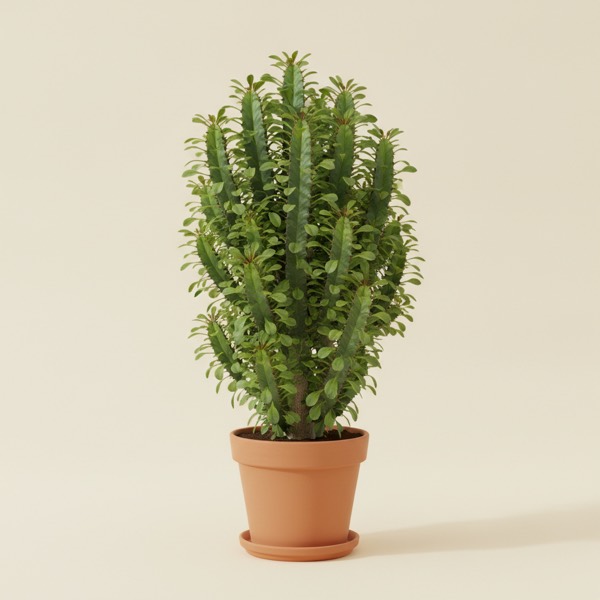
African milk tree
Euphorbia trigona
Not listed
ASPCA lists a close relative (Euphorbia tirucalli) as toxic, but not this species. Covers dogs.
Search 100 common houseplants against the ASPCA toxic and non-toxic lists. When a species is not on either list, this says so instead of calling it safe.
The ASPCA names this exact species on its non-toxic list. 28 of 100 species here. Non-toxic still means a pet that eats it may vomit or have an upset stomach.
The ASPCA names the species, or its genus, on the toxic list. 33 of 100.
Neither list settles it. Treat as unknown, not as safe. 39 of 100.
ASPCA lists a close relative (Euphorbia tirucalli) as toxic, but not this species. Covers dogs.
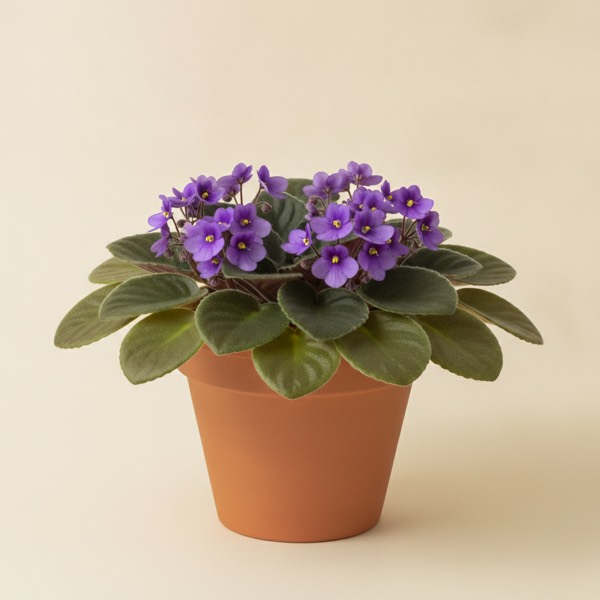
ASPCA lists this exact species as non-toxic. Covers dogs and cats.
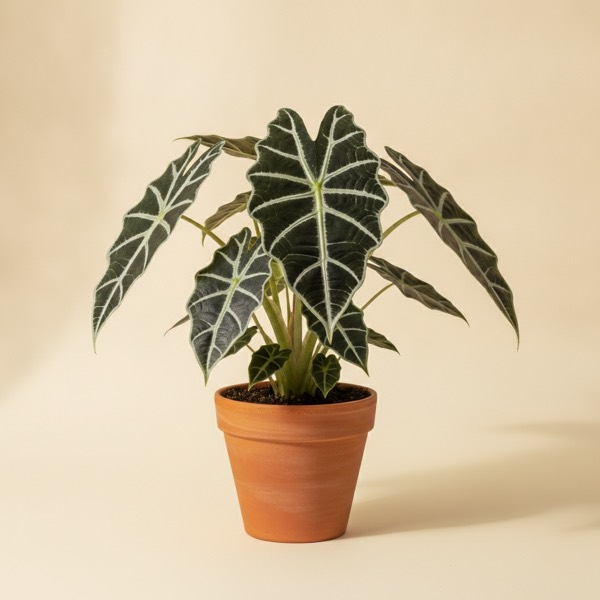
ASPCA lists the genus as toxic rather than this species by name. Covers dogs and cats.
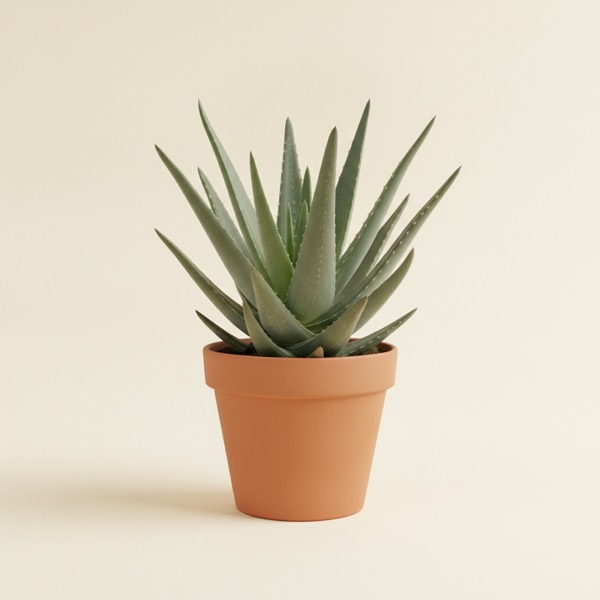
ASPCA lists this exact species as toxic. Covers dogs and cats.
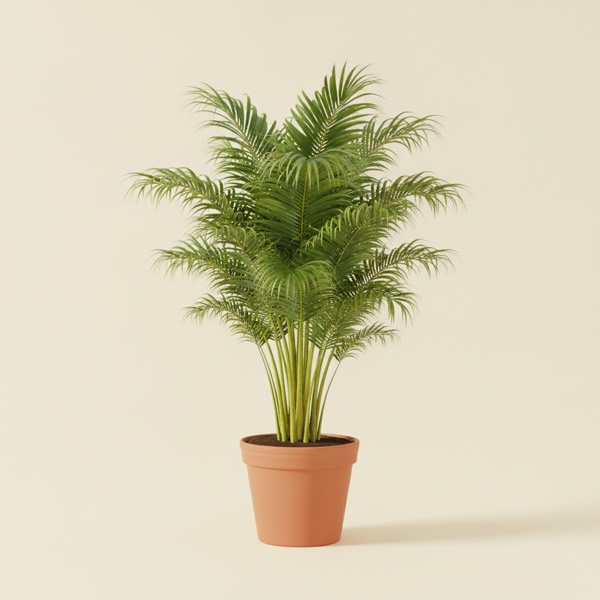
ASPCA lists this exact species as non-toxic. Covers dogs and cats.
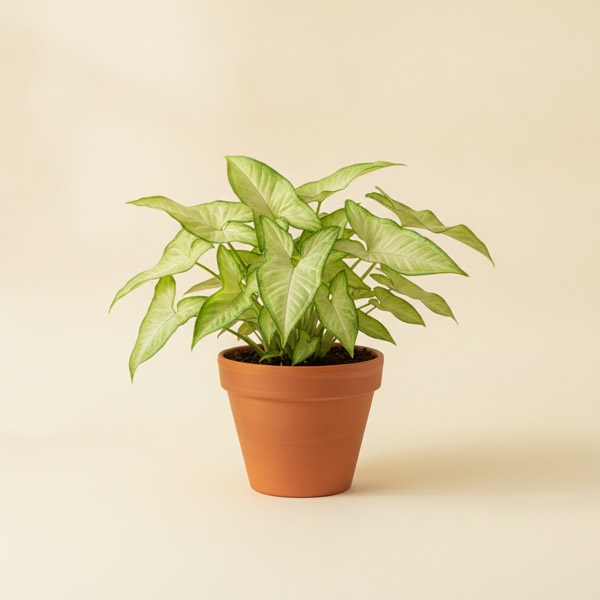
ASPCA lists this exact species as toxic. Covers dogs and cats.
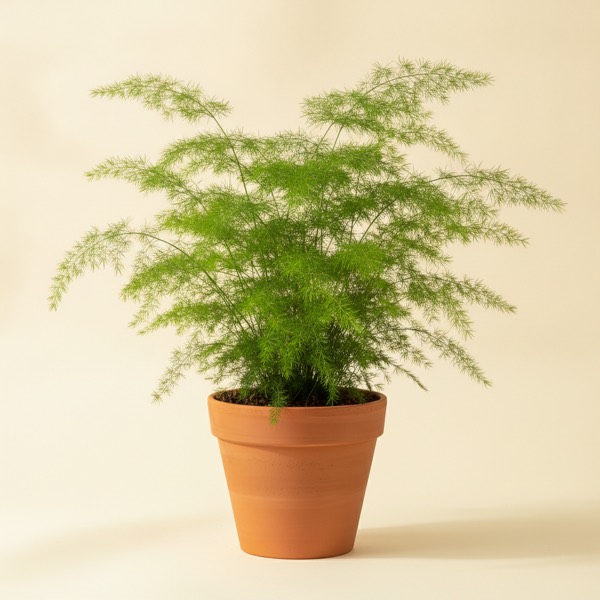
ASPCA lists a close relative (Asparagus densiflorus cv sprengeri) as toxic, but not this species. Covers dogs.
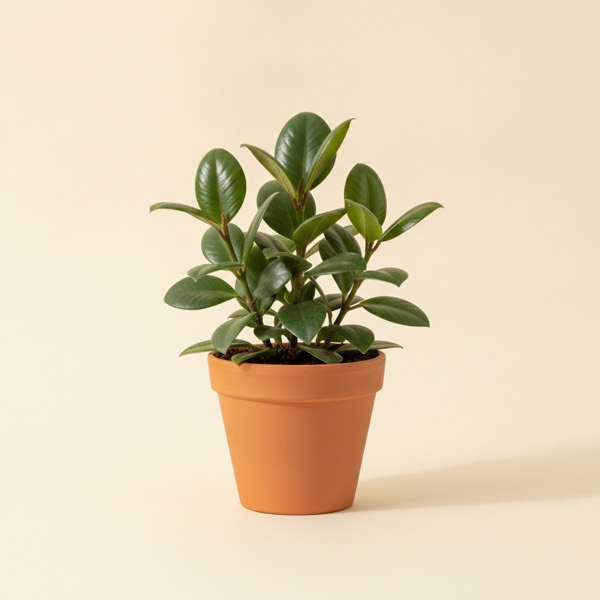
ASPCA lists this exact species as non-toxic. Covers dogs and cats.
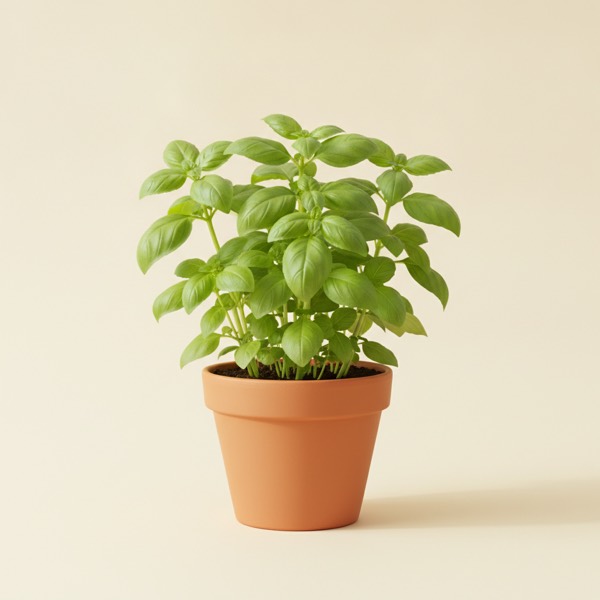
ASPCA lists this exact species as non-toxic. Covers dogs and cats.
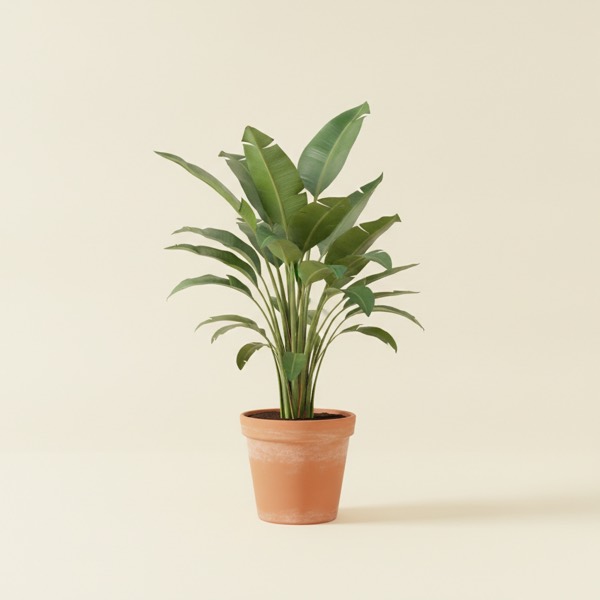
ASPCA lists this exact species as toxic. Covers dogs and cats.
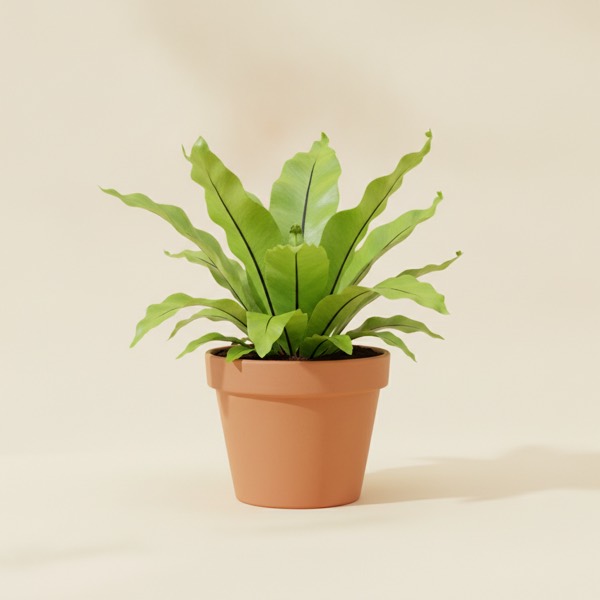
ASPCA does not list this species either way.
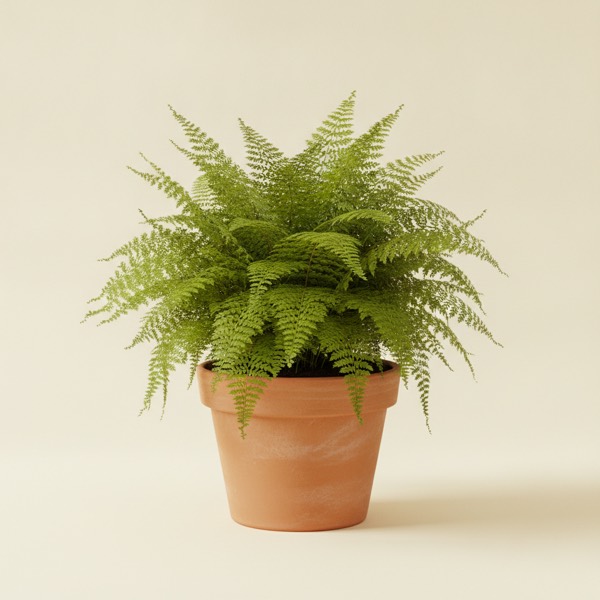
ASPCA lists this exact species as non-toxic. Covers dogs and cats.
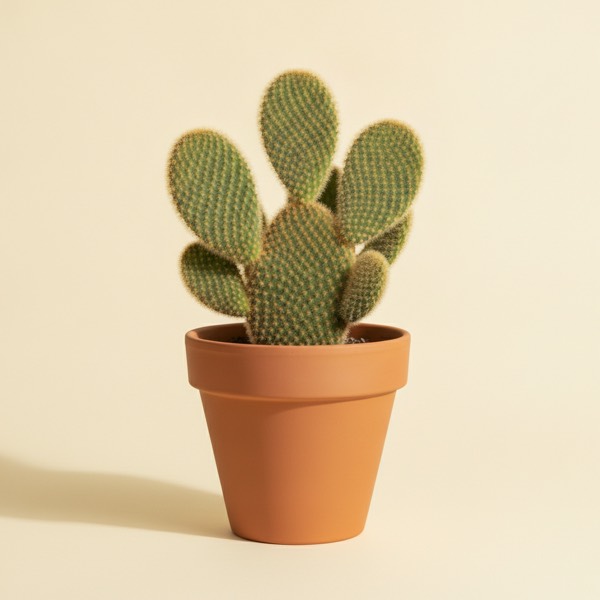
ASPCA does not list this species either way.
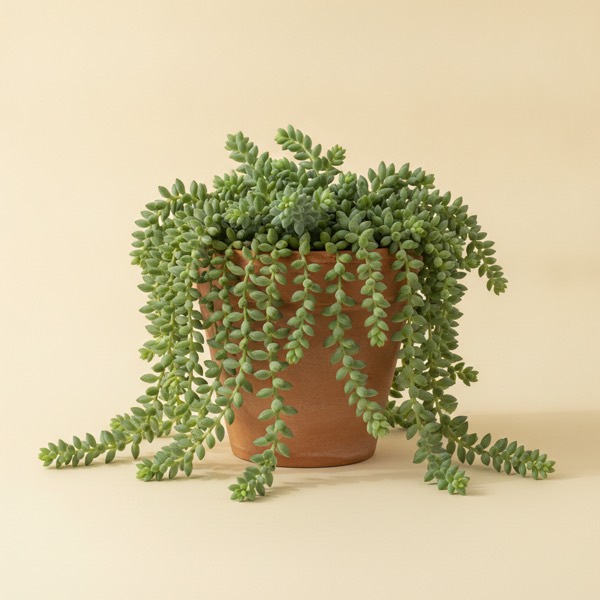
ASPCA lists this exact species as non-toxic. Covers dogs and cats.
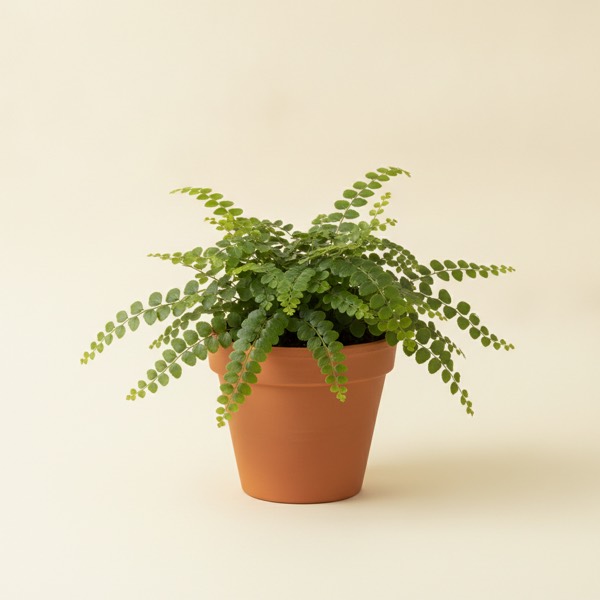
ASPCA lists this exact species as non-toxic. Covers dogs and cats.
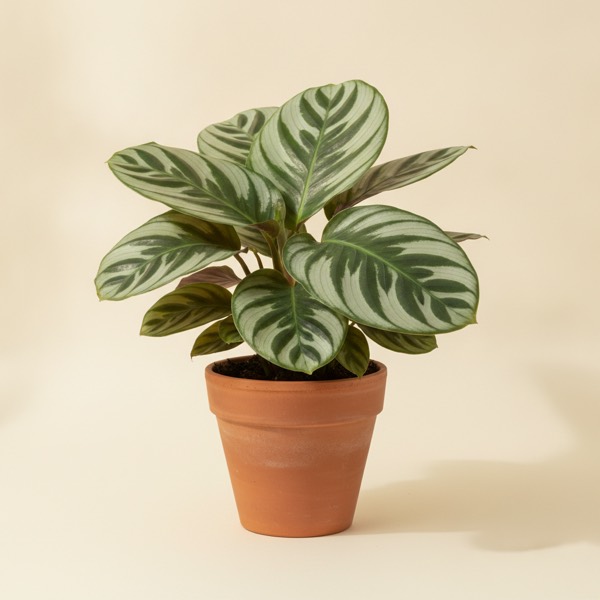
ASPCA lists other species in the genus as non-toxic, but not this one.
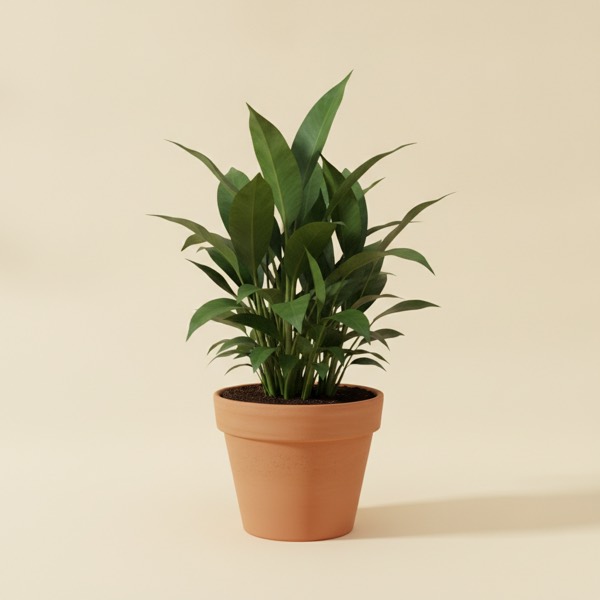
ASPCA lists this exact species as non-toxic. Covers dogs and cats.
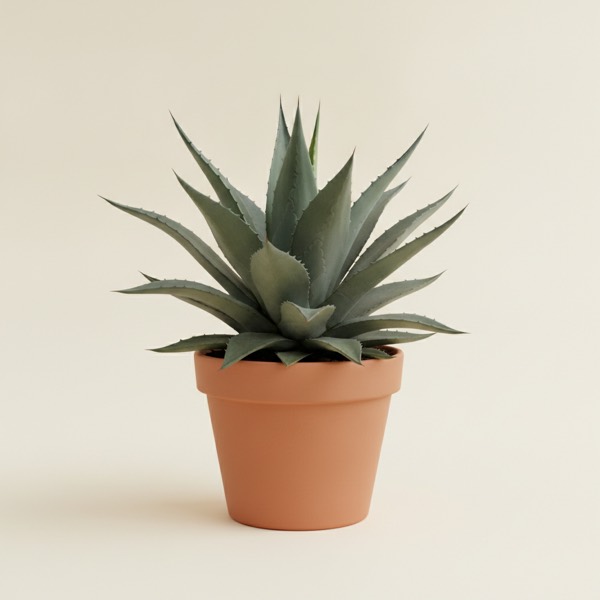
ASPCA does not list this species either way.
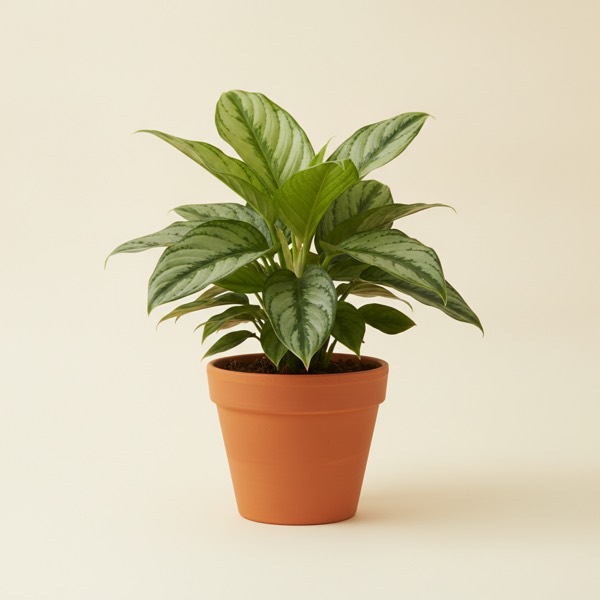
ASPCA lists a close relative (Aglaonema modestum) as toxic, but not this species. Covers dogs.
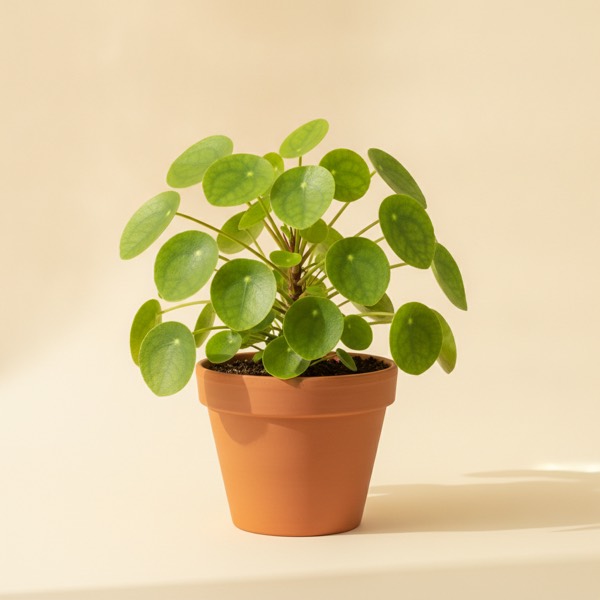
ASPCA does not list this species either way.
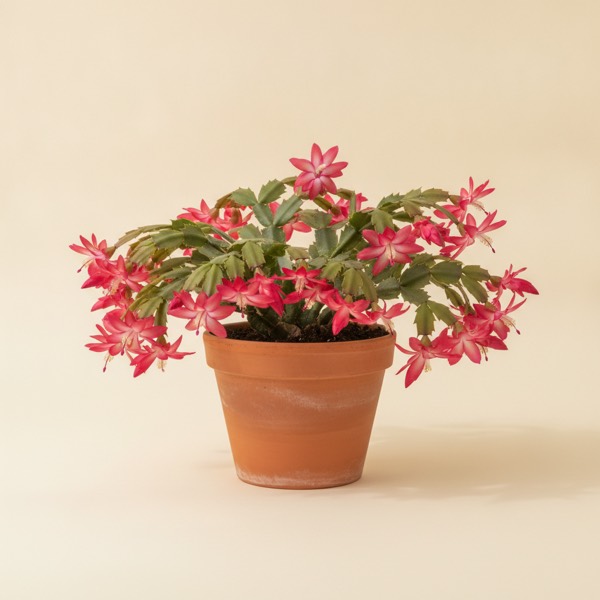
ASPCA does not list this species either way.
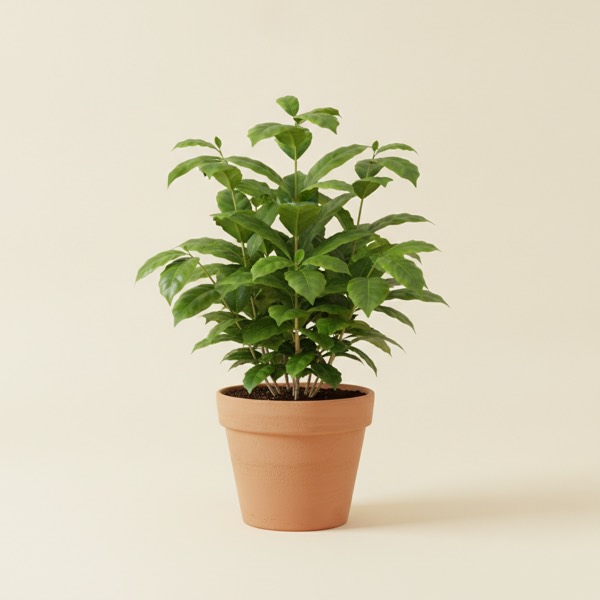
ASPCA does not list this species either way.
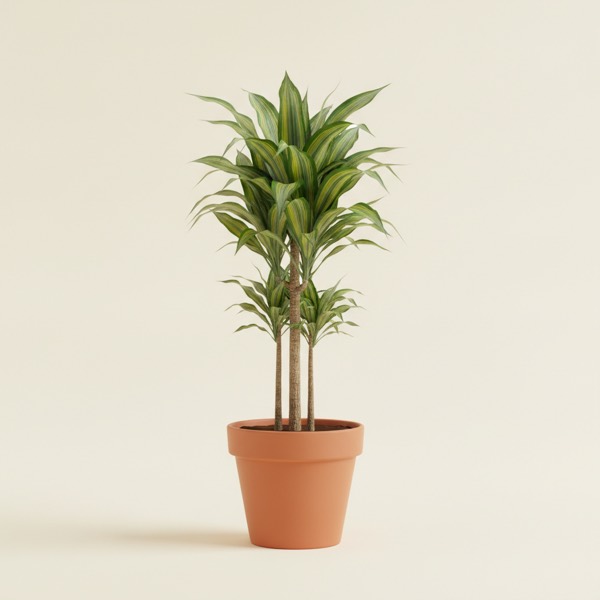
ASPCA lists this exact species as toxic. Covers dogs and cats.
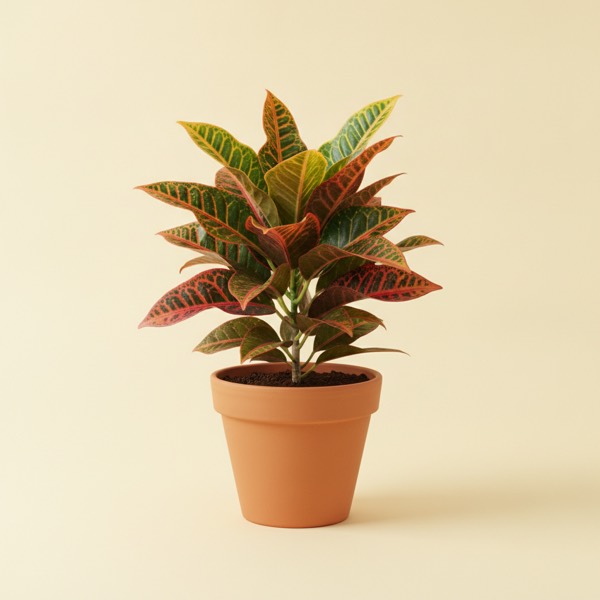
ASPCA does not list this species either way.
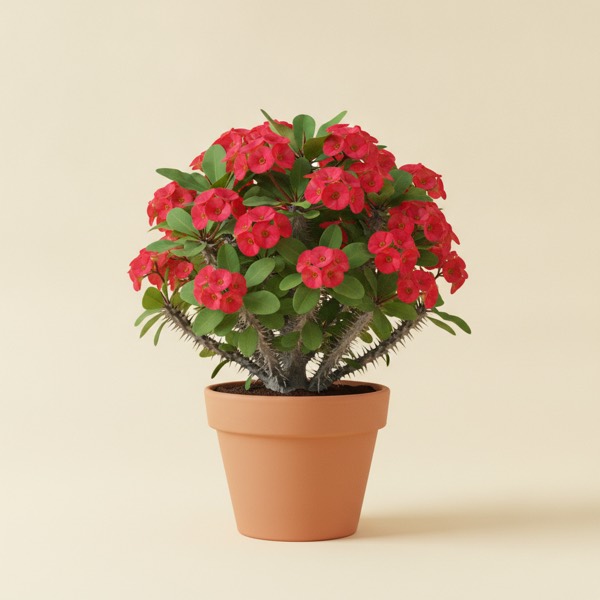
ASPCA lists a close relative (Euphorbia tirucalli) as toxic, but not this species. Covers dogs.
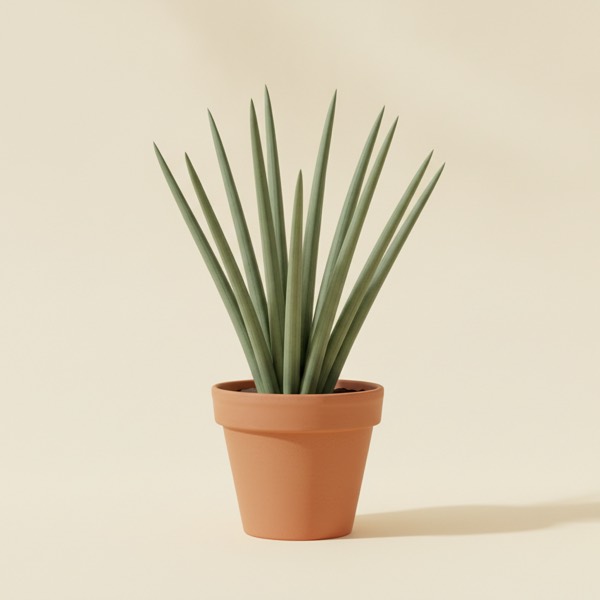
ASPCA lists the genus as toxic rather than this species by name. Covers dogs and cats.
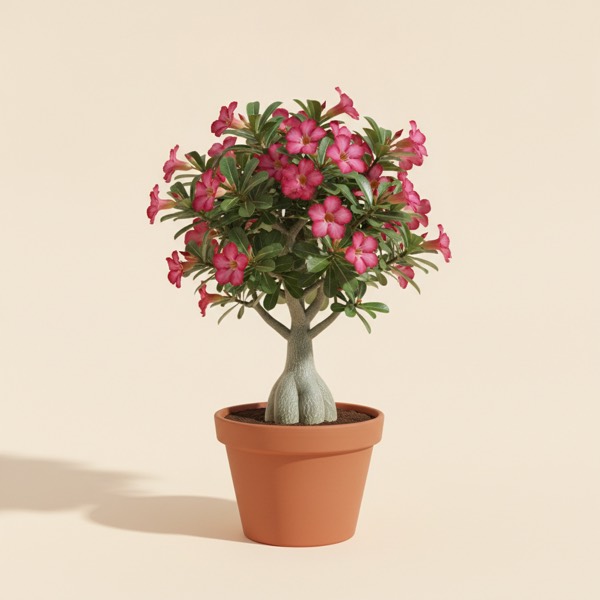
ASPCA lists this exact species as toxic. Covers dogs and cats.
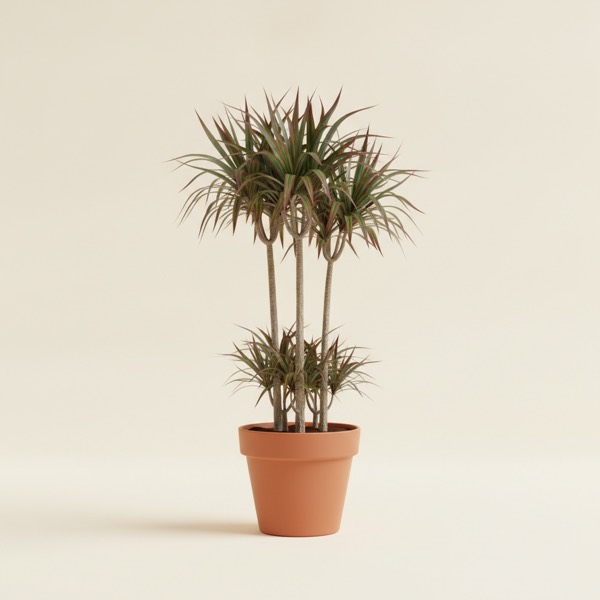
ASPCA lists this exact species as toxic. Covers dogs and cats.
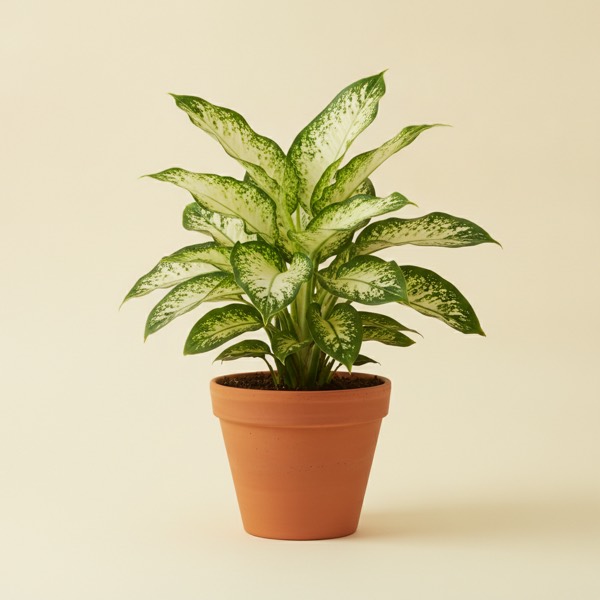
ASPCA lists this exact species as toxic. Covers dogs and cats.
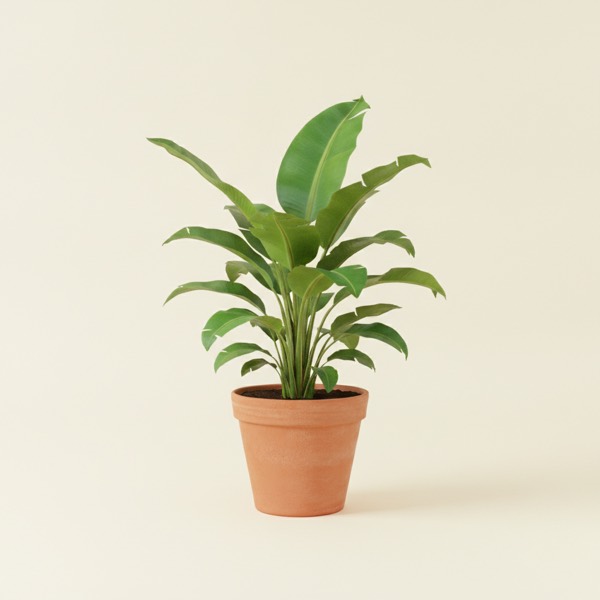
ASPCA lists this exact species as non-toxic. Covers dogs and cats.
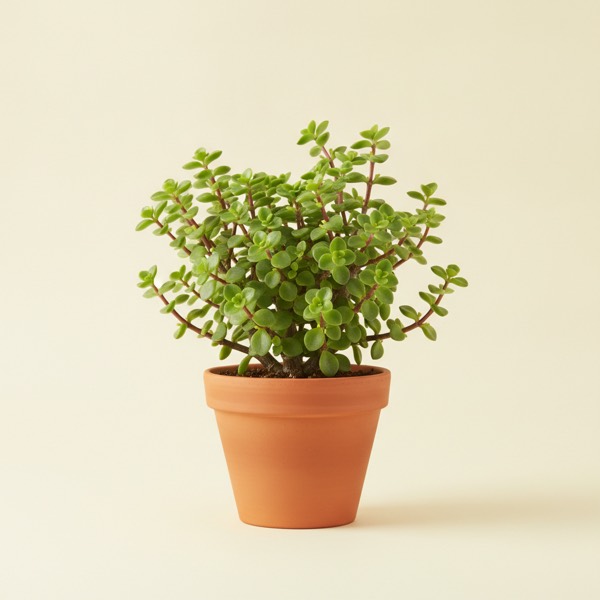
ASPCA does not list this species either way.
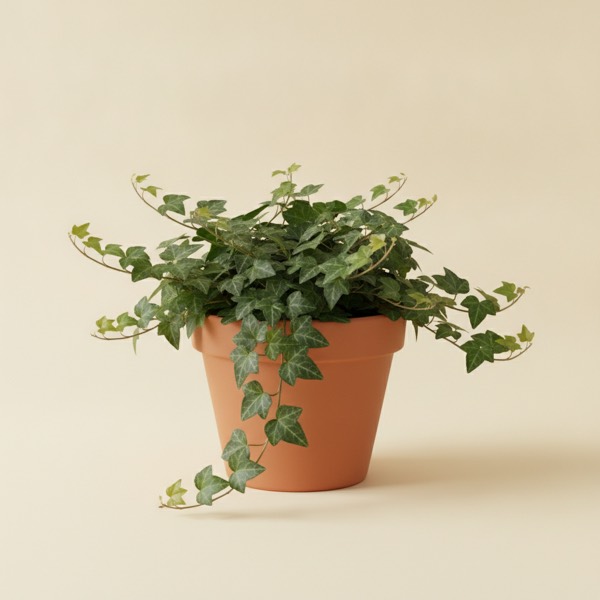
ASPCA lists this exact species as toxic. Covers dogs and cats.
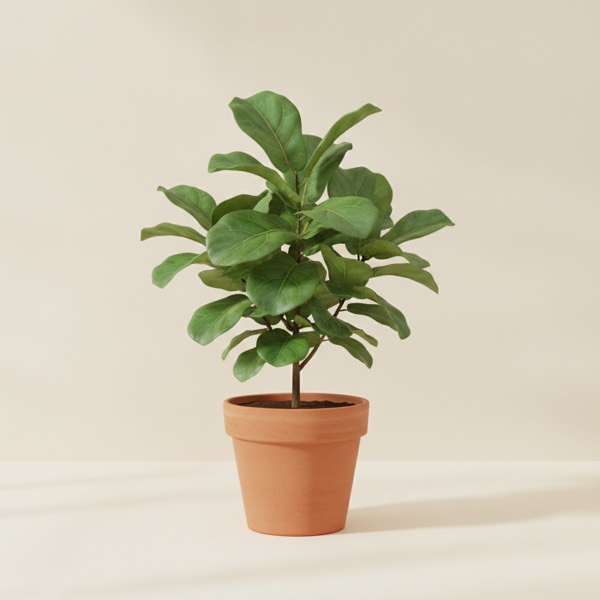
ASPCA lists the genus as toxic rather than this species by name. Covers dogs and cats.
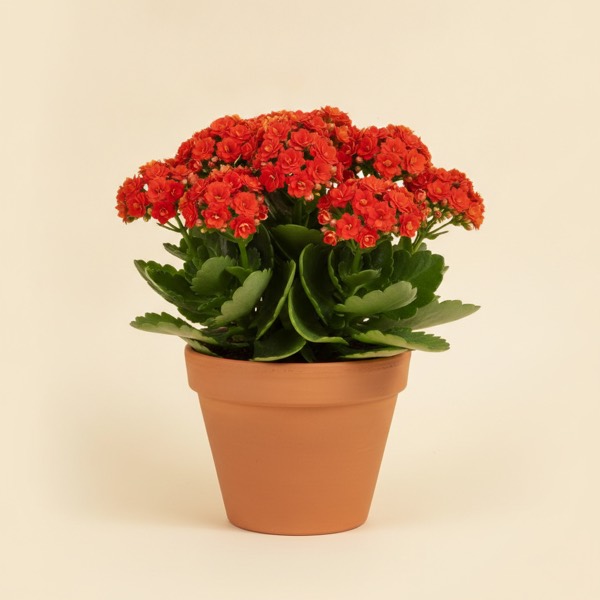
ASPCA lists the genus as toxic rather than this species by name. Covers dogs and cats.
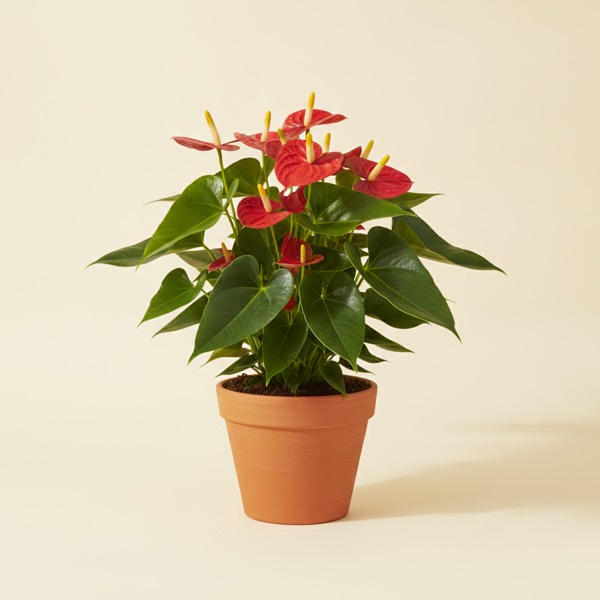
ASPCA lists a close relative (Anthurium scherzeranum) as toxic, but not this species. Covers dogs.
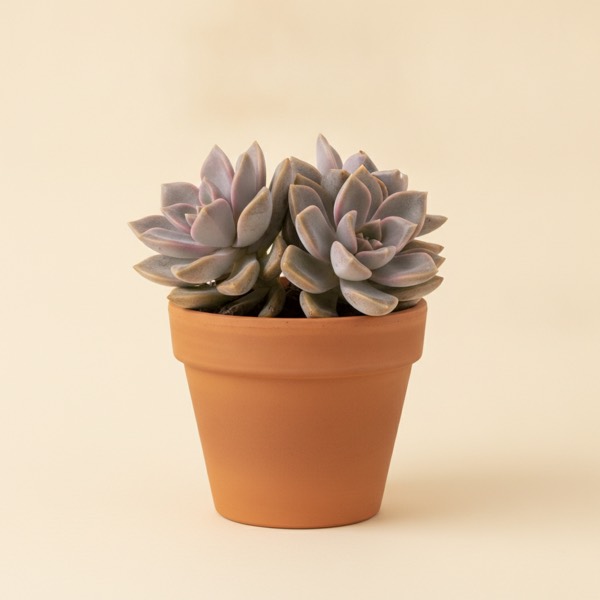
ASPCA lists this exact species as non-toxic. Covers dogs and cats.
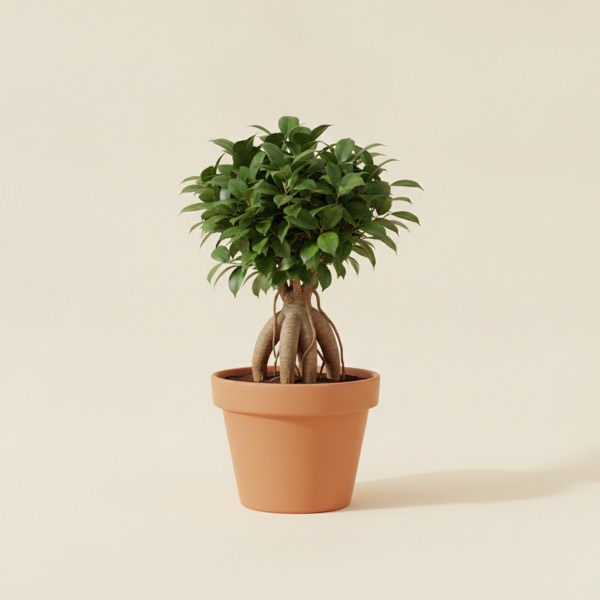
ASPCA lists the genus as toxic rather than this species by name. Covers dogs and cats.
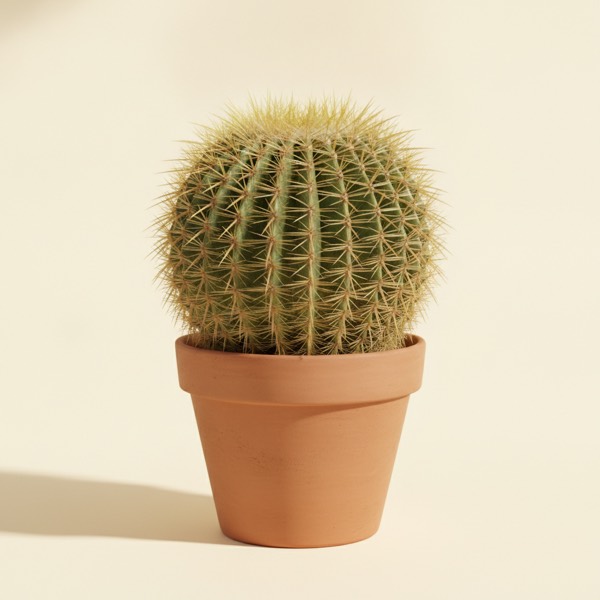
ASPCA does not list this species either way.
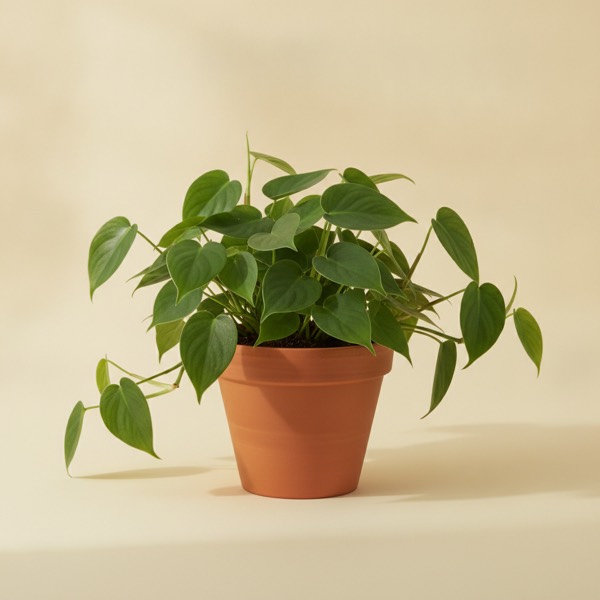
ASPCA lists this exact species as toxic. Covers dogs and cats.
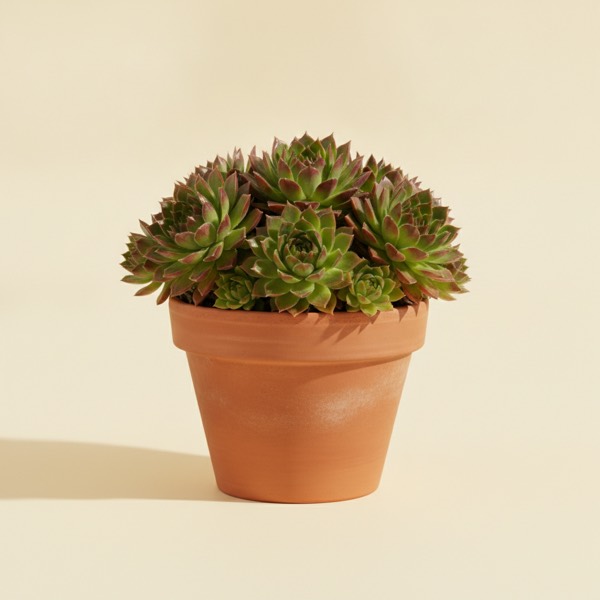
ASPCA does not list this species either way.
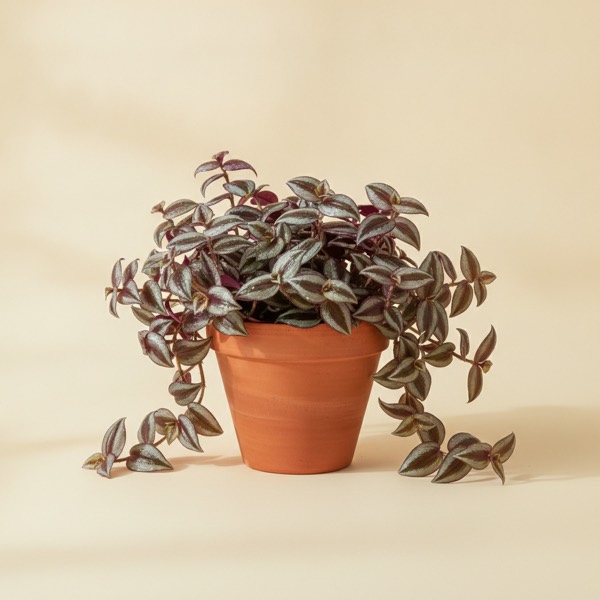
ASPCA lists a close relative (Tradescantia flumeninsis) as toxic, but not this species. Covers dogs.
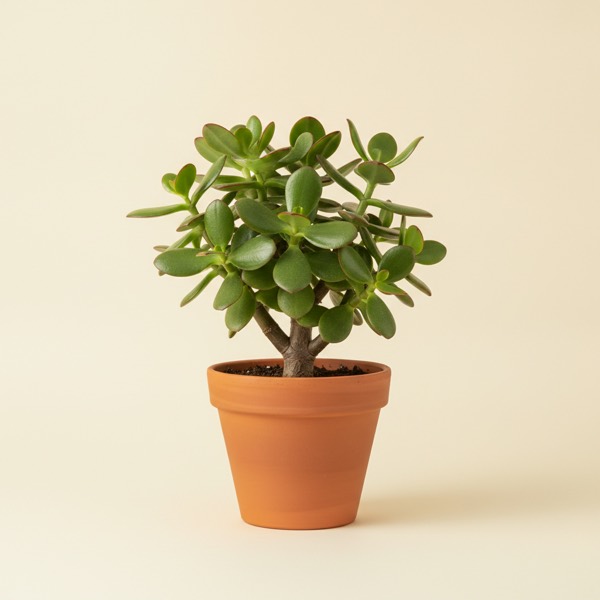
ASPCA lists this exact species as toxic. Covers dogs and cats.
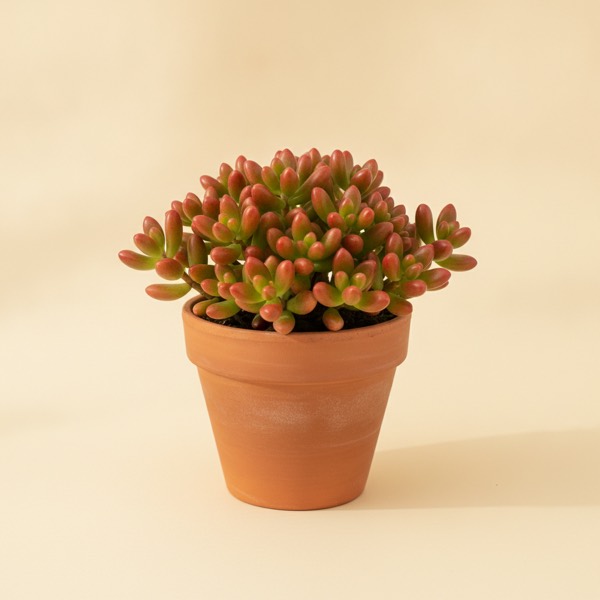
ASPCA does not list this species either way.
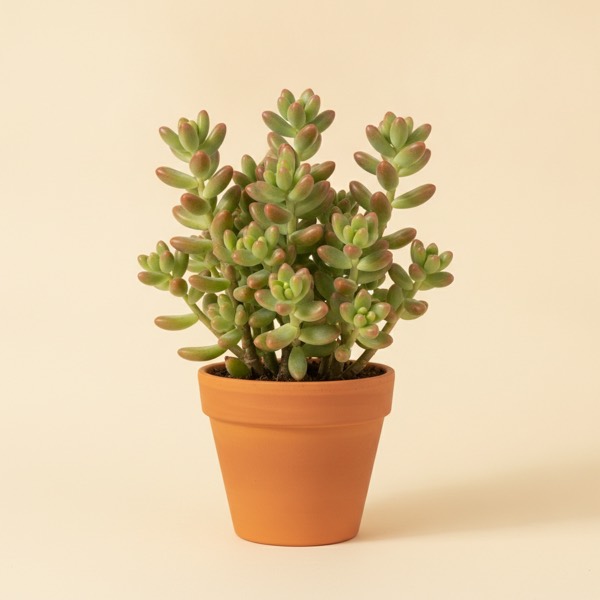
ASPCA does not list this species either way.
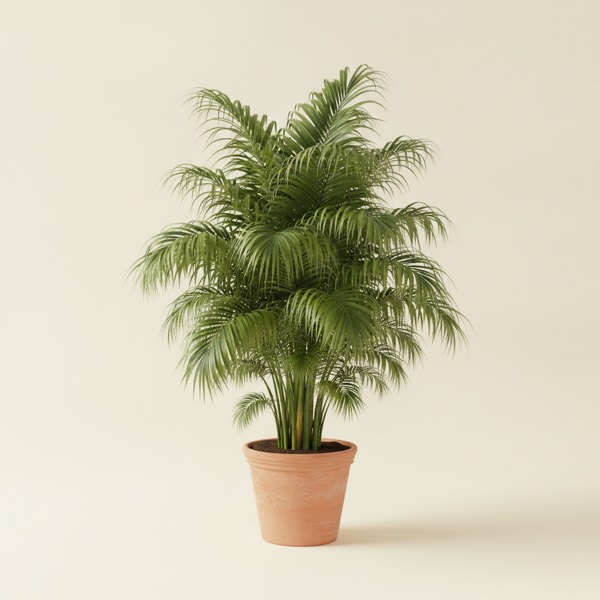
ASPCA lists this exact species as non-toxic. Covers dogs and cats.
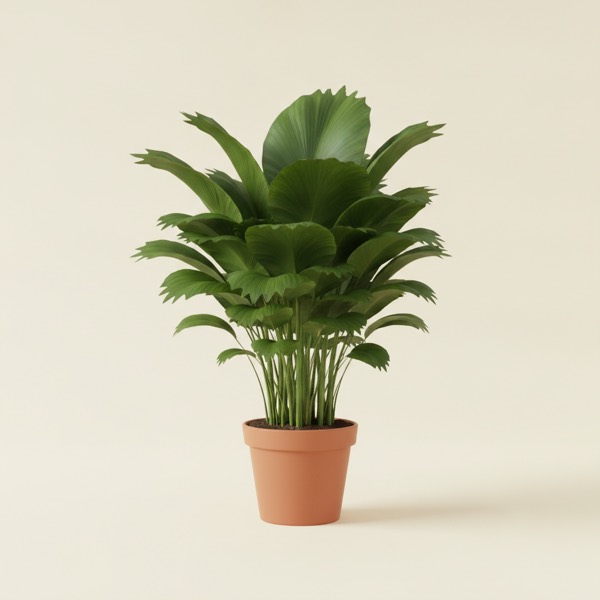
ASPCA lists this exact species as non-toxic. Covers dogs and cats.
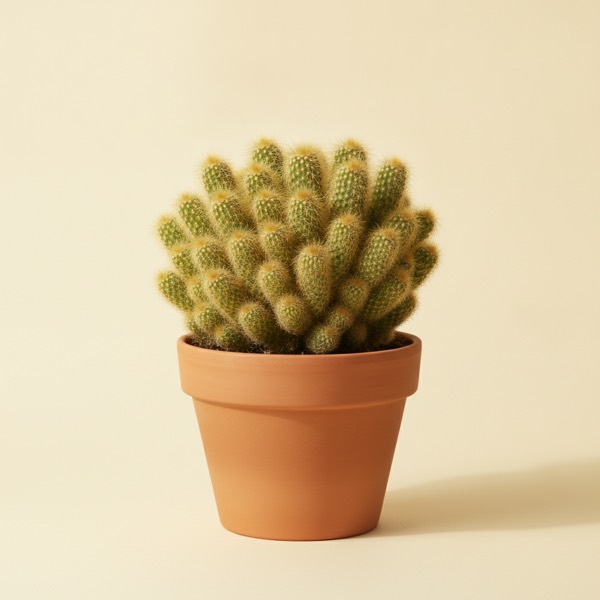
ASPCA does not list this species either way.
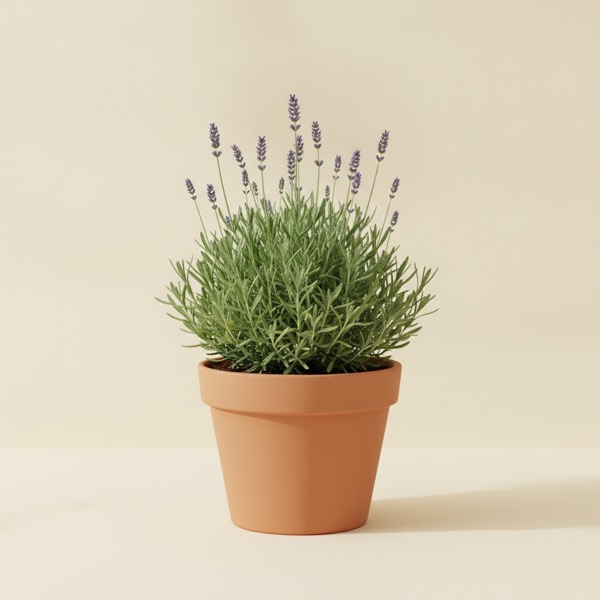
ASPCA does not list this species either way.
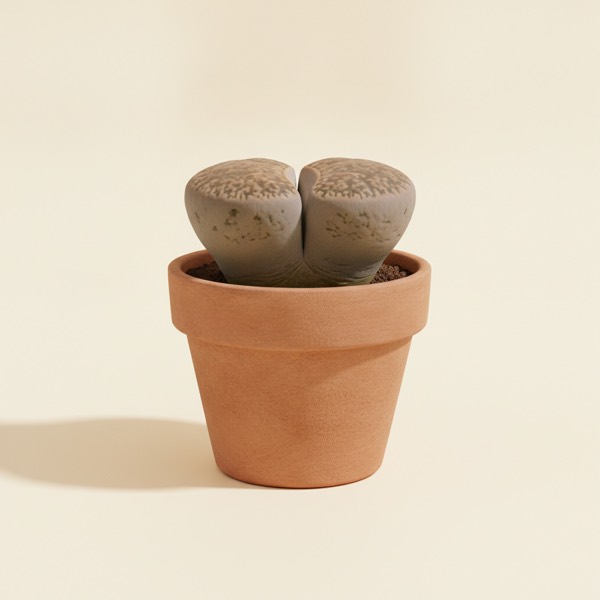
ASPCA does not list this species either way.
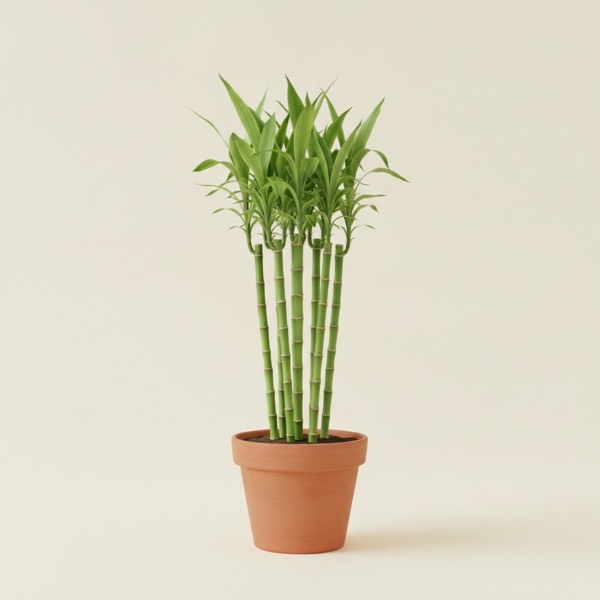
ASPCA lists the genus as toxic rather than this species by name. Covers dogs and cats.
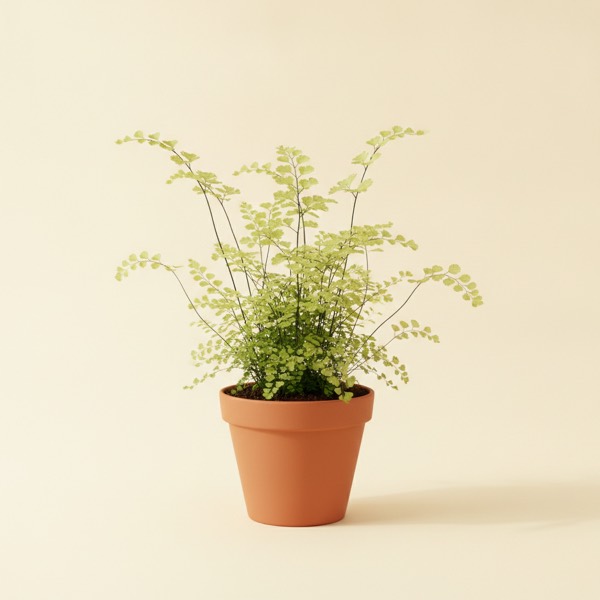
ASPCA does not list this species either way.
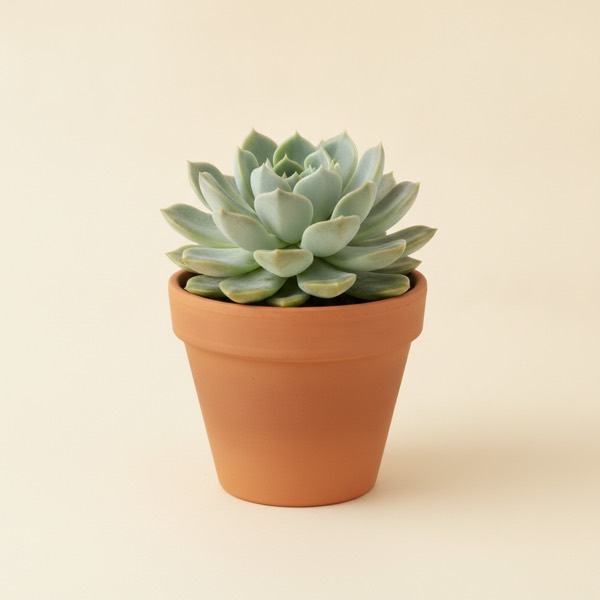
ASPCA lists this exact species as non-toxic. Covers dogs and cats.
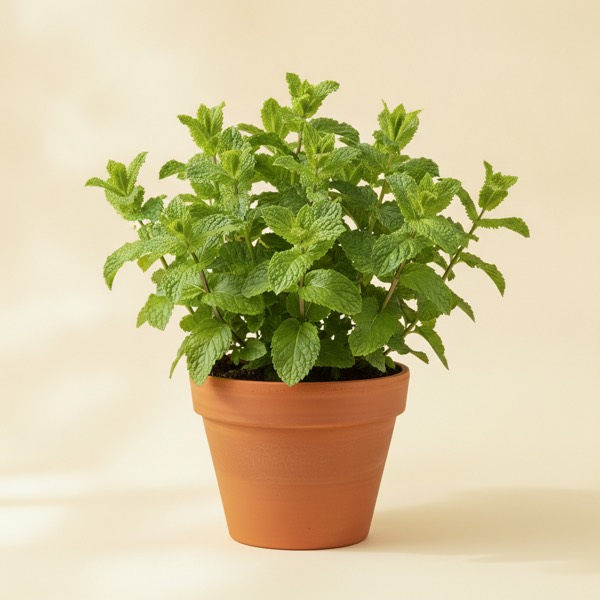
ASPCA lists the genus as toxic rather than this species by name. Covers dogs and cats.
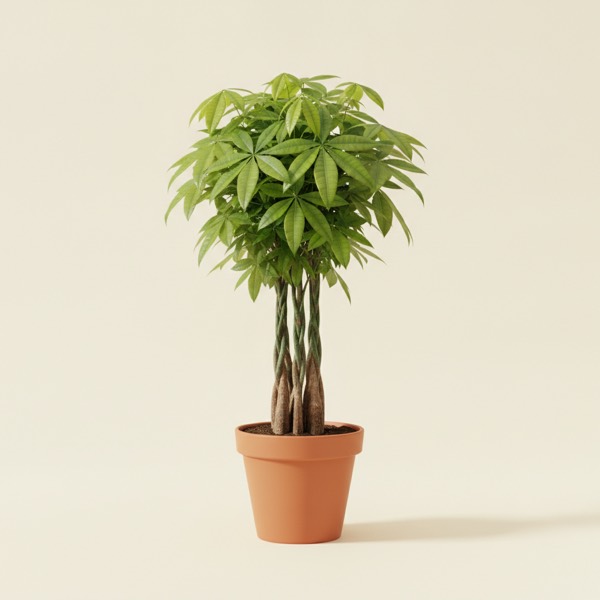
ASPCA lists this exact species as non-toxic. Covers dogs and cats.
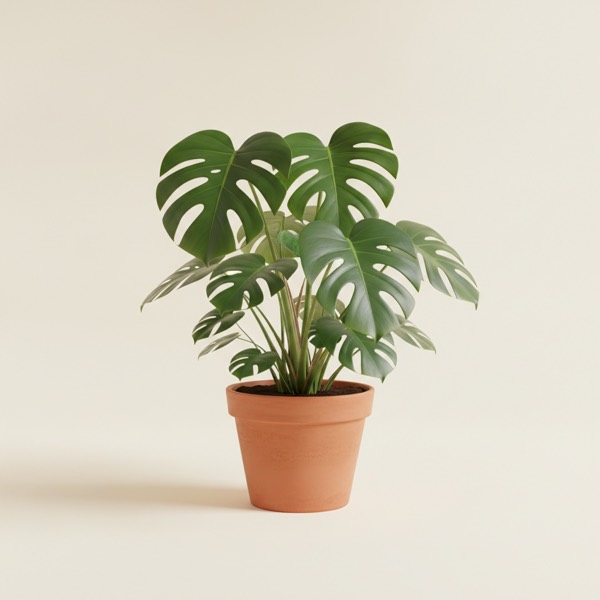
ASPCA lists this exact species as toxic. Covers dogs and cats.
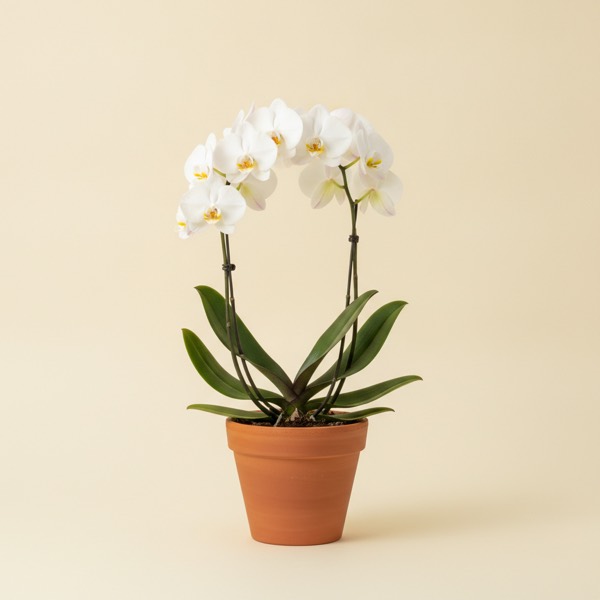
ASPCA lists other species in the genus as non-toxic, but not this one.
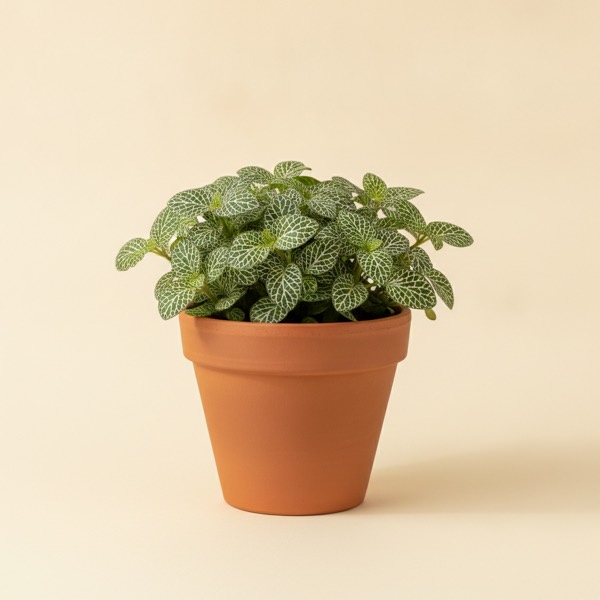
ASPCA lists this exact species as non-toxic. Covers dogs and cats.
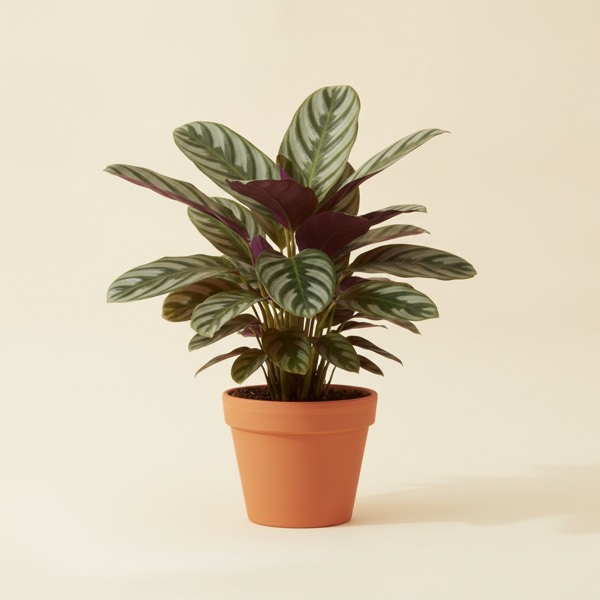
ASPCA does not list this species either way.
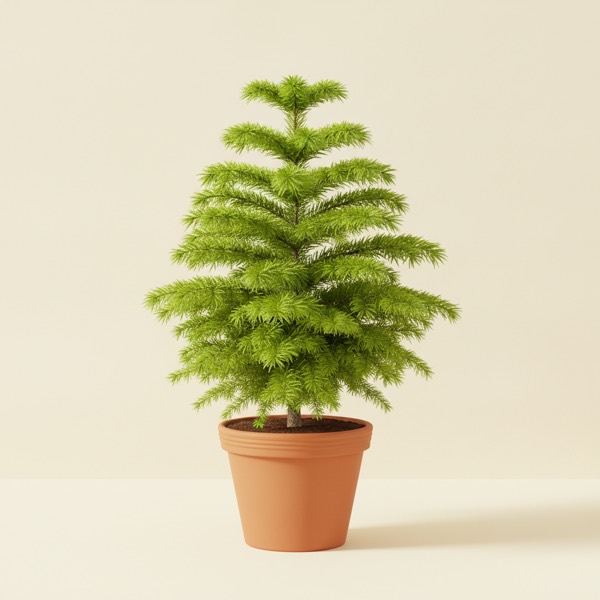
ASPCA lists this exact species as non-toxic. Covers dogs and cats.
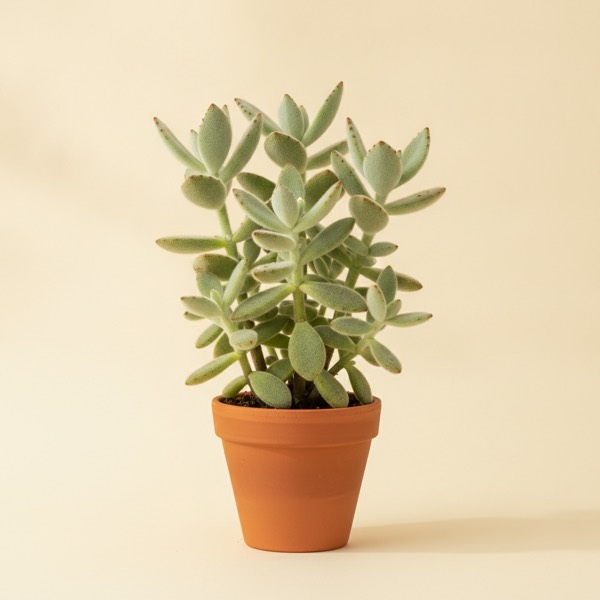
ASPCA lists the genus as toxic rather than this species by name. Covers dogs and cats.
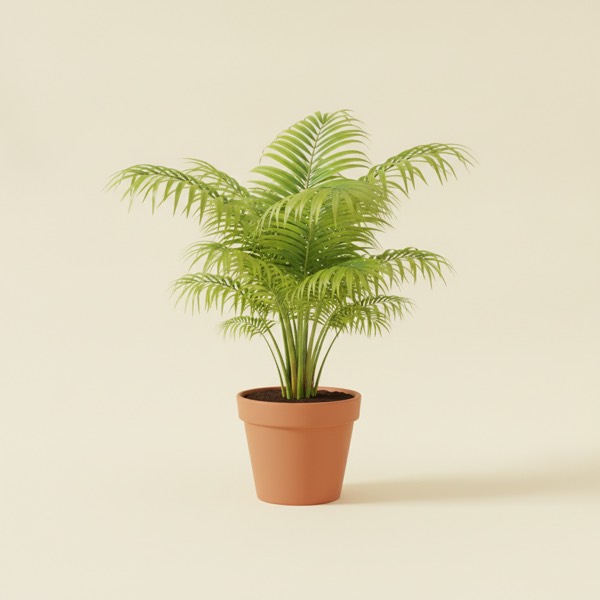
ASPCA lists this exact species as non-toxic. Covers dogs and cats.
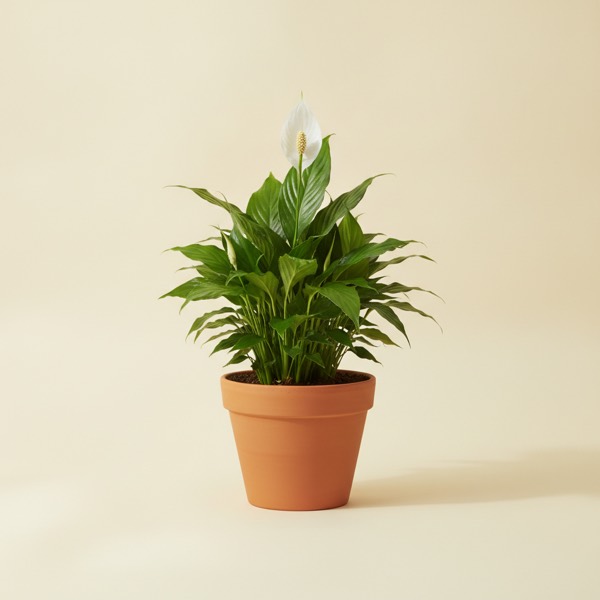
ASPCA lists the genus as toxic rather than this species by name. Covers dogs and cats.
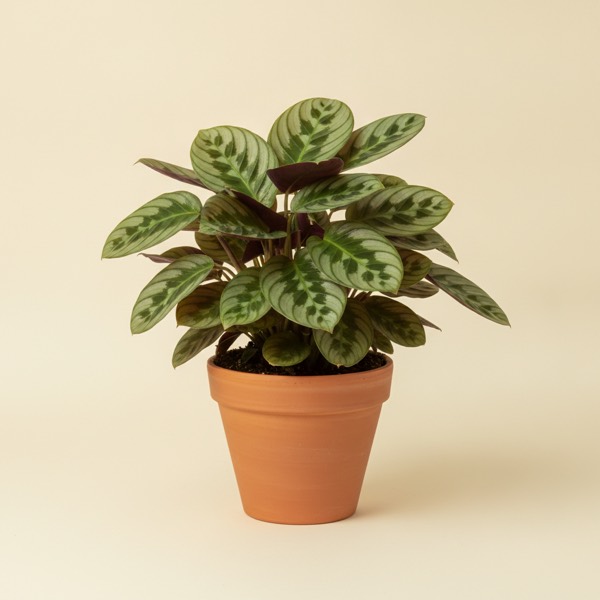
ASPCA lists other species in the genus as non-toxic, but not this one.
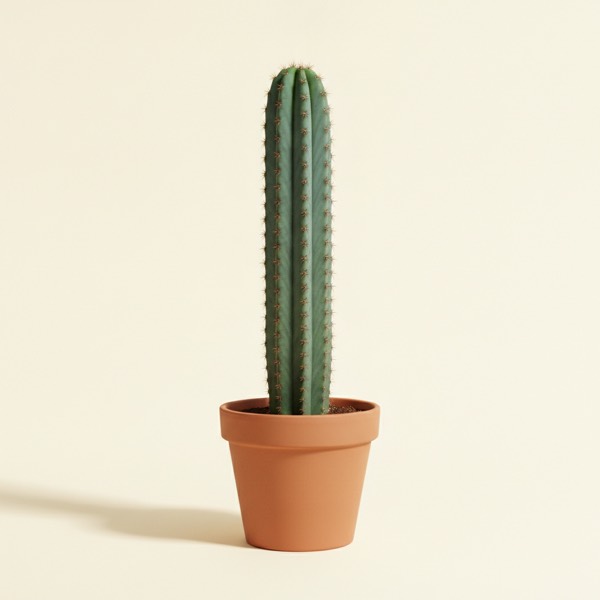
ASPCA does not list this species either way.
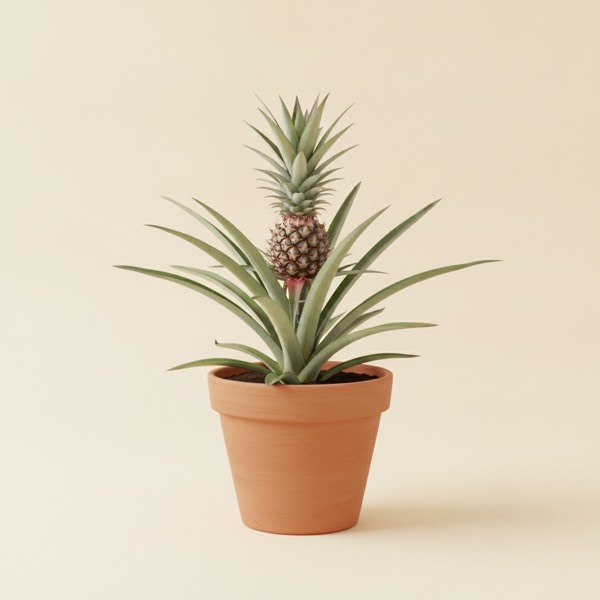
ASPCA does not list this species either way.
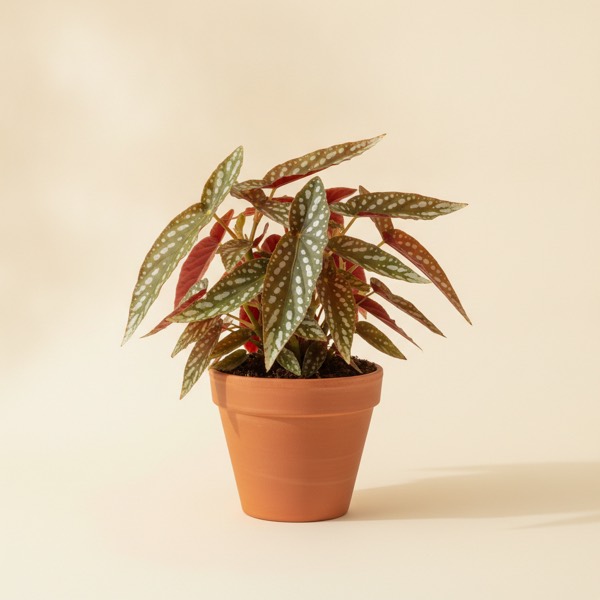
ASPCA lists the genus as toxic rather than this species by name. Covers dogs and cats.
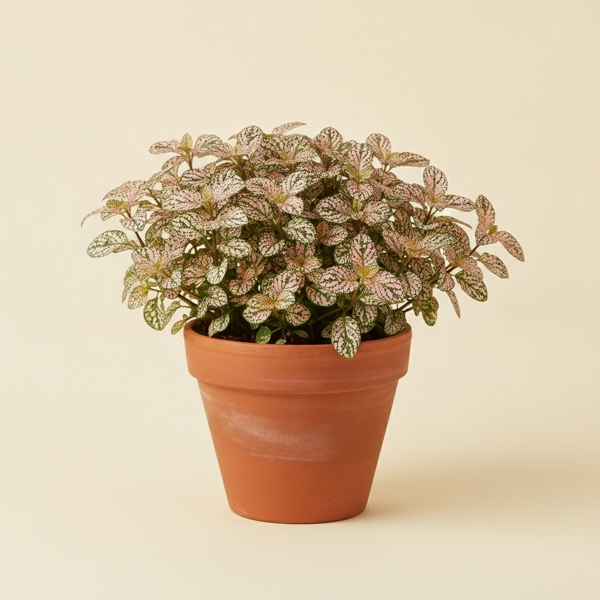
ASPCA lists this exact species as non-toxic. Covers dogs and cats.
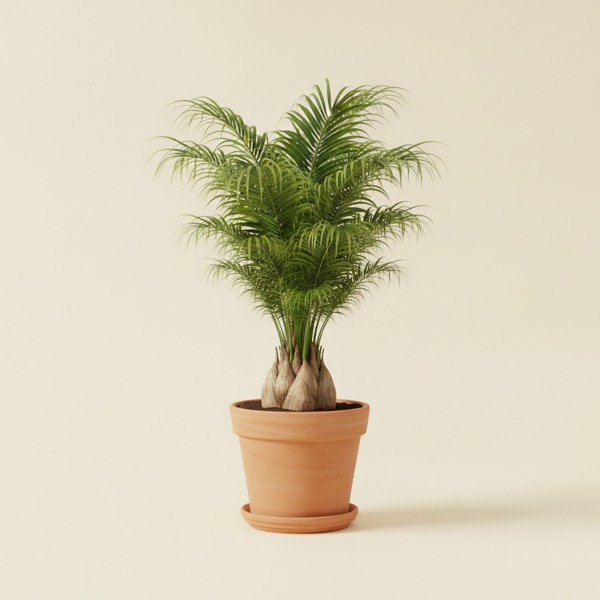
ASPCA lists this exact species as non-toxic. Covers dogs and cats.
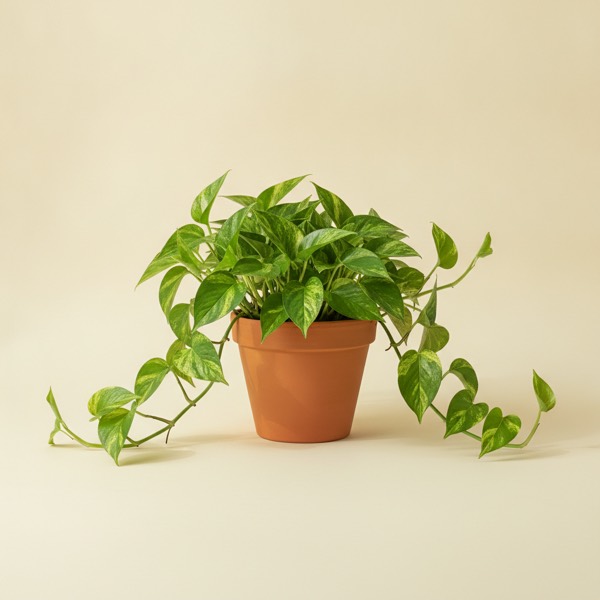
ASPCA lists this exact species as toxic. Covers dogs and cats.
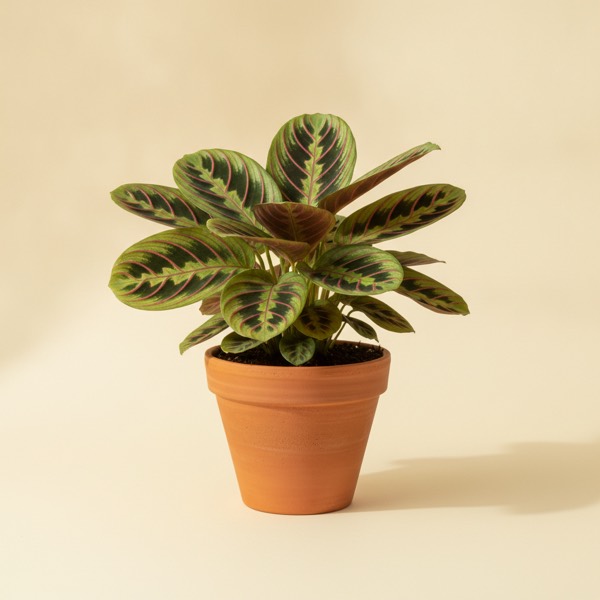
ASPCA does not list this species either way.
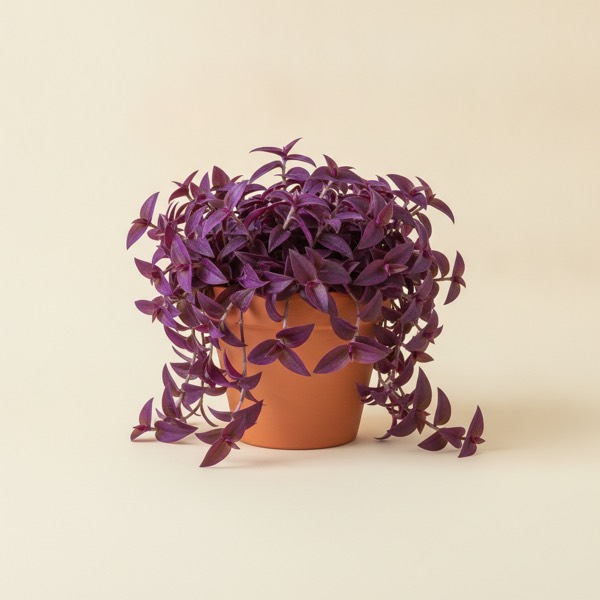
ASPCA lists a close relative (Tradescantia flumeninsis) as toxic, but not this species. Covers dogs.
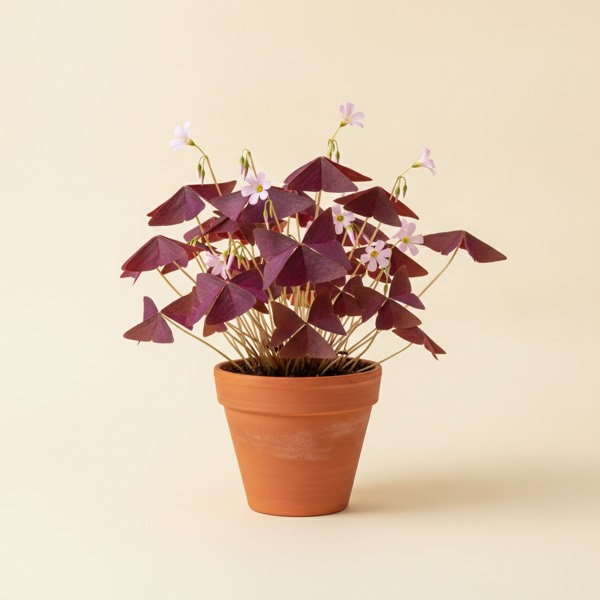
ASPCA lists the genus as toxic rather than this species by name. Covers dogs and cats.
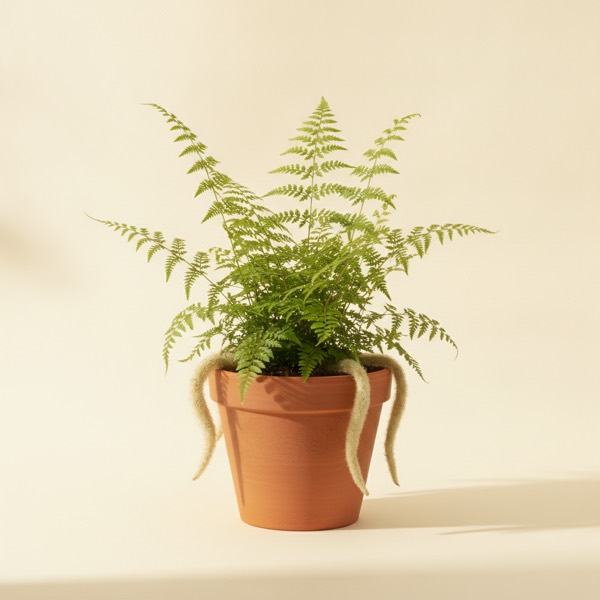
ASPCA lists this exact species as non-toxic. Covers dogs and cats.
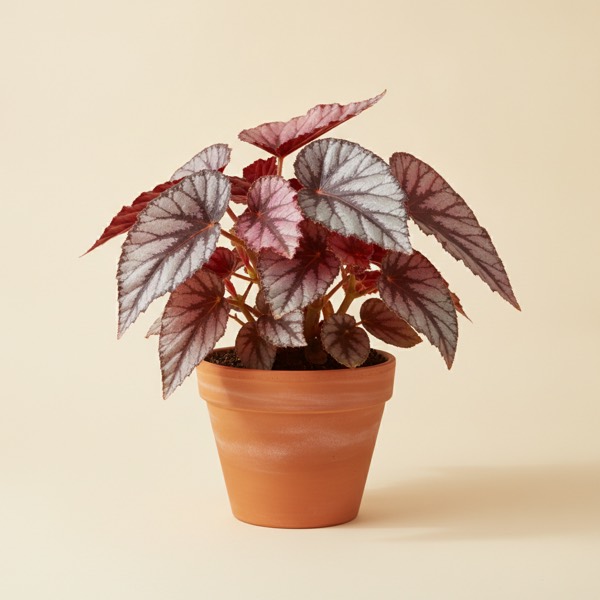
ASPCA lists this exact species as toxic. Covers dogs and cats.
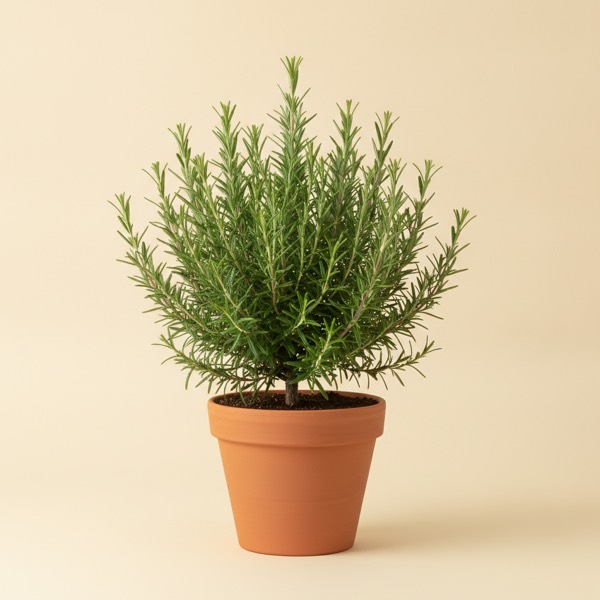
ASPCA lists this exact species as non-toxic. Covers dogs and cats.
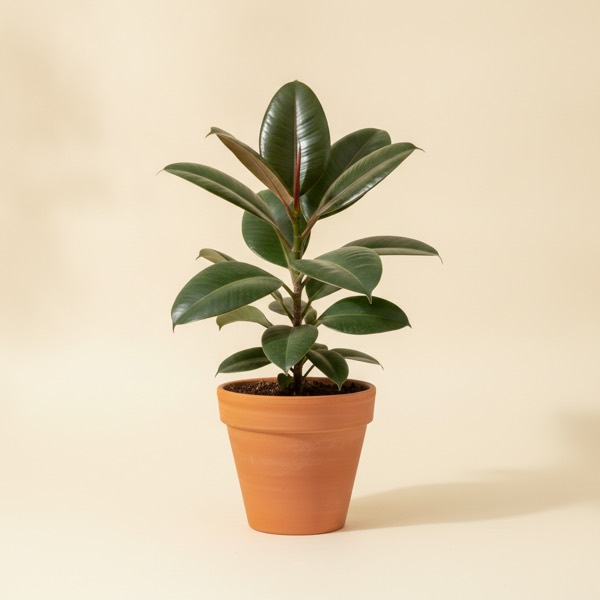
ASPCA lists the genus as toxic rather than this species by name. Covers dogs and cats.
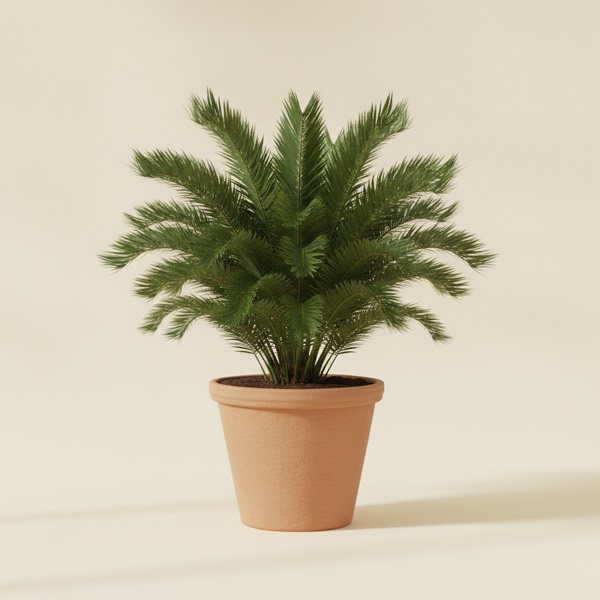
ASPCA lists this exact species as toxic. Covers dogs and cats.
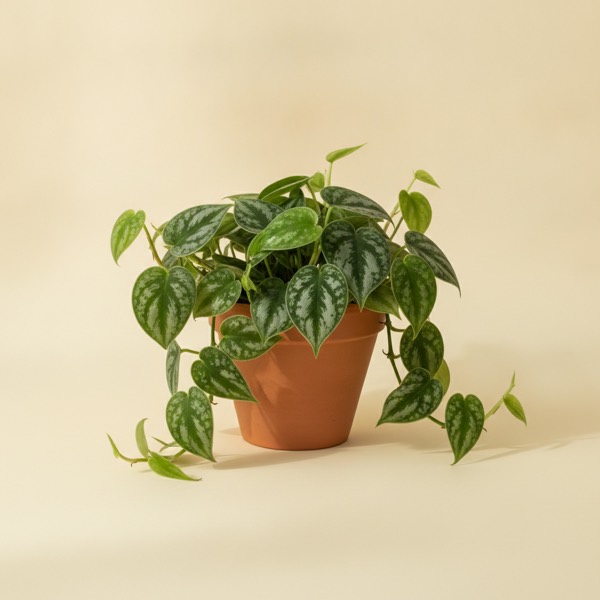
ASPCA lists this exact species as toxic. Covers dogs and cats.
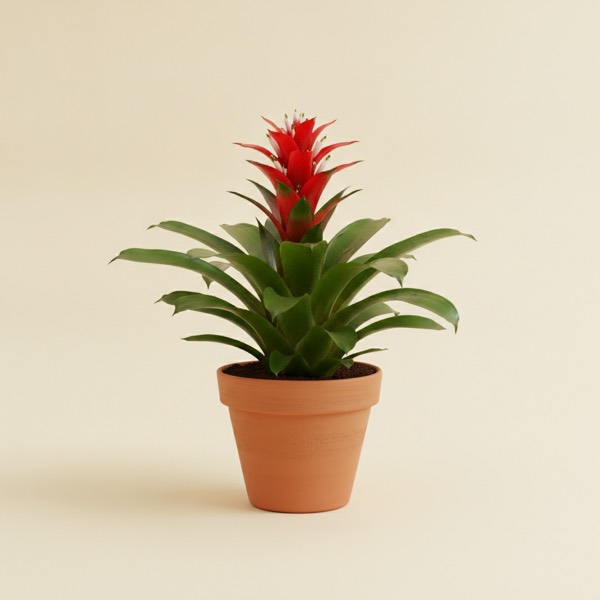
ASPCA lists this exact species as non-toxic. Covers dogs and cats.
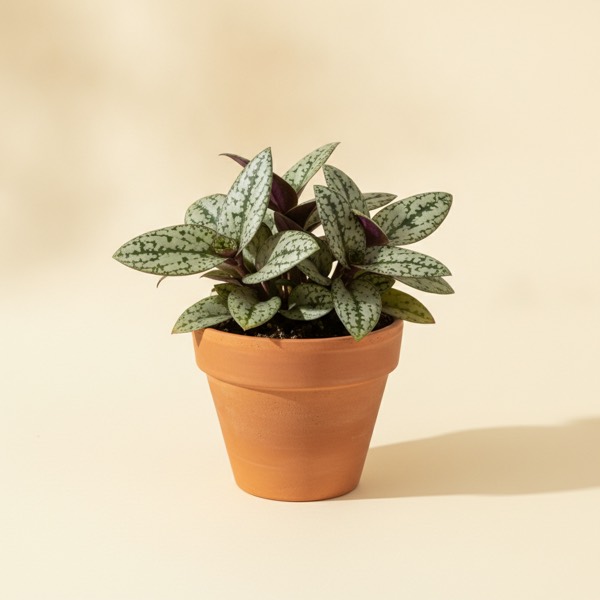
ASPCA does not list this species either way.
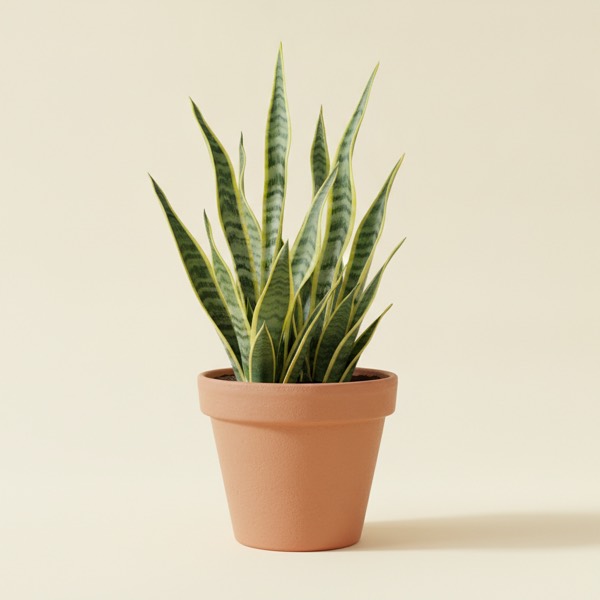
ASPCA lists this exact species as toxic. Covers dogs and cats.
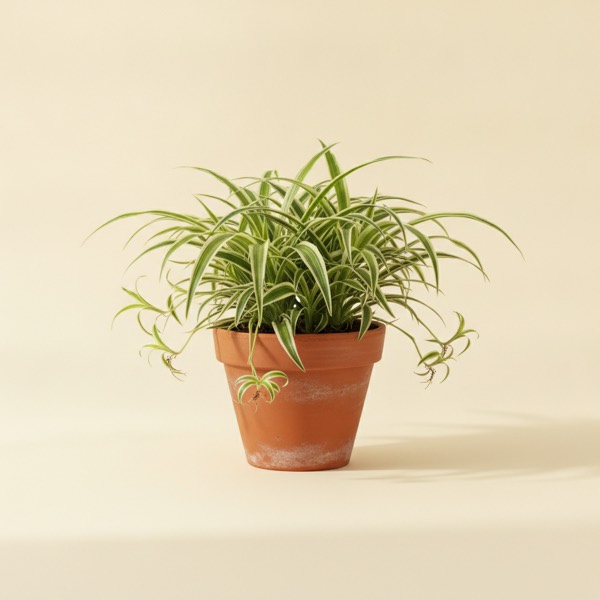
ASPCA lists this exact species as non-toxic. Covers dogs and cats.
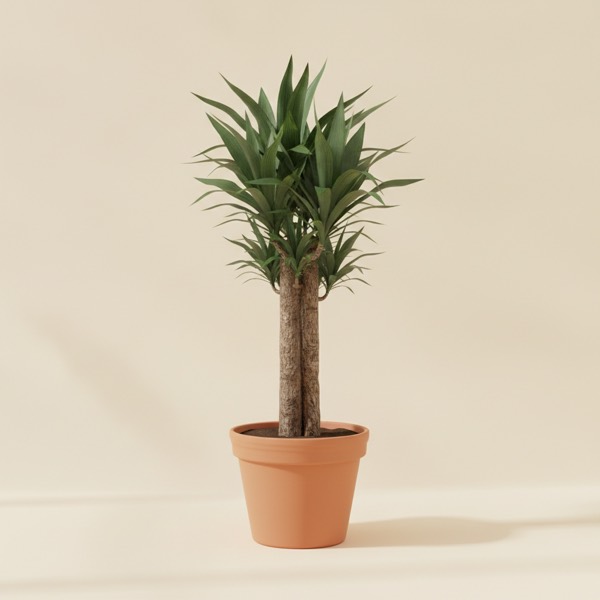
ASPCA lists the genus as toxic rather than this species by name. Covers dogs and cats.
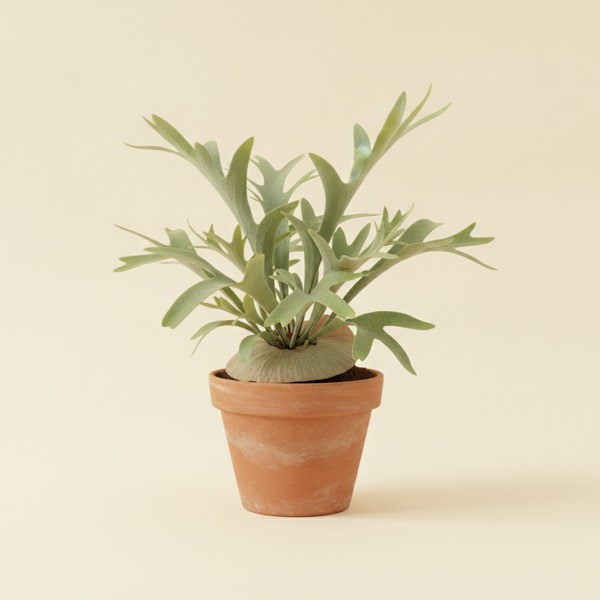
ASPCA lists this exact species as non-toxic. Covers dogs and cats.
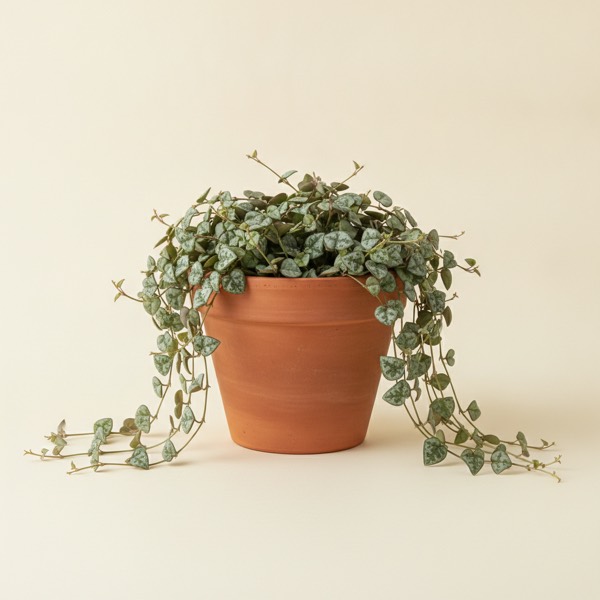
ASPCA does not list this species either way.
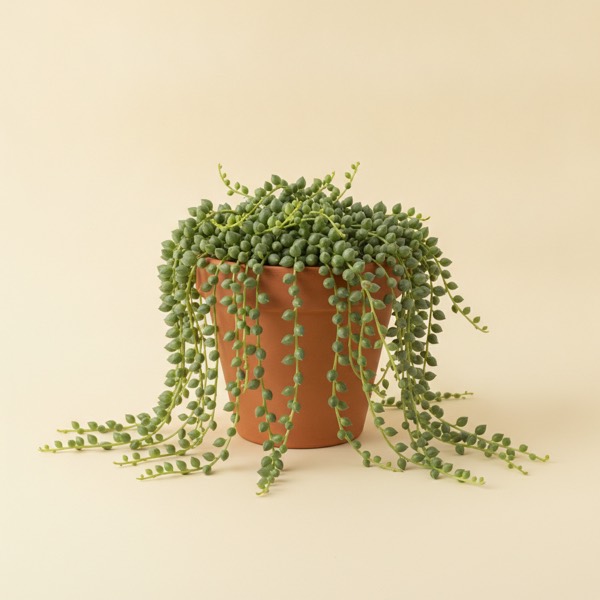
ASPCA lists a close relative (Senecio species) as toxic, but not this species. Covers dogs.
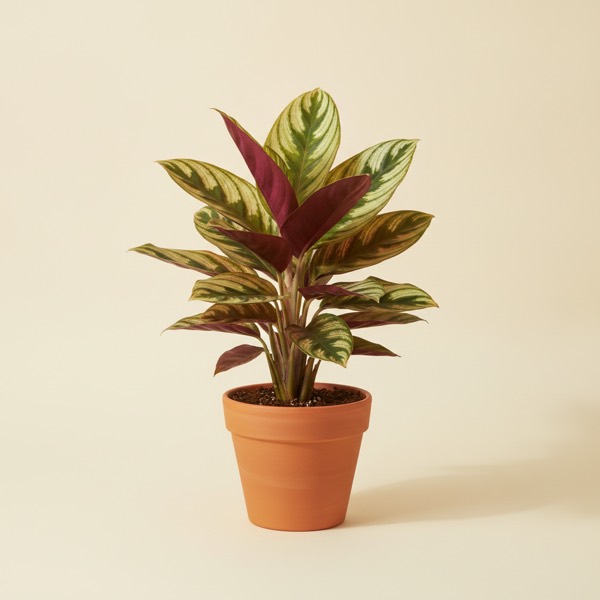
ASPCA does not list this species either way.
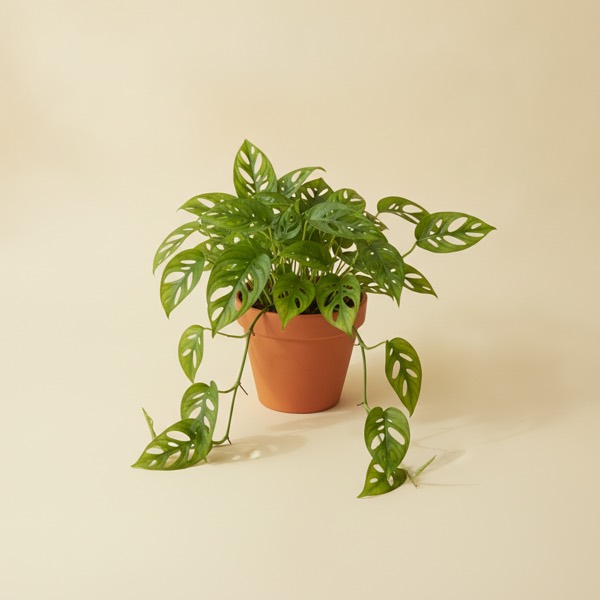
ASPCA lists a close relative (Monstera deliciosa) as toxic, but not this species. Covers dogs.
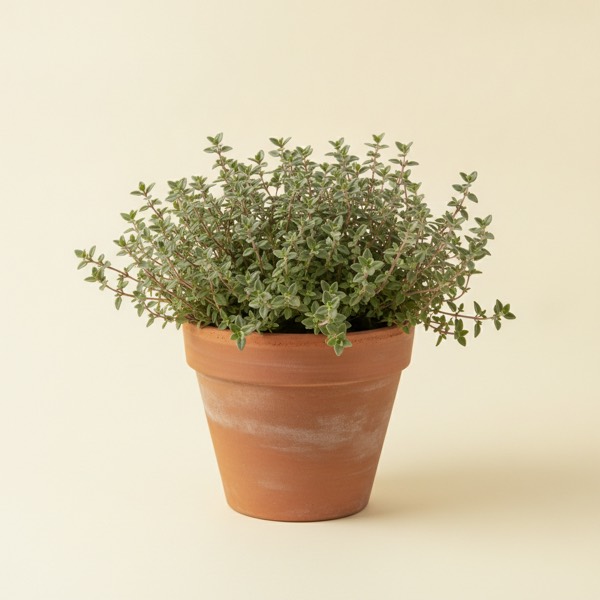
ASPCA lists this exact species as non-toxic. Covers dogs and cats.
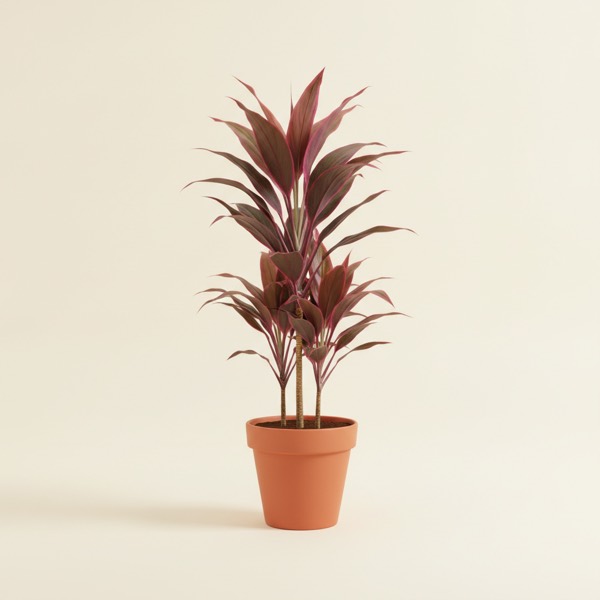
ASPCA lists this exact species as toxic. Covers dogs and cats.
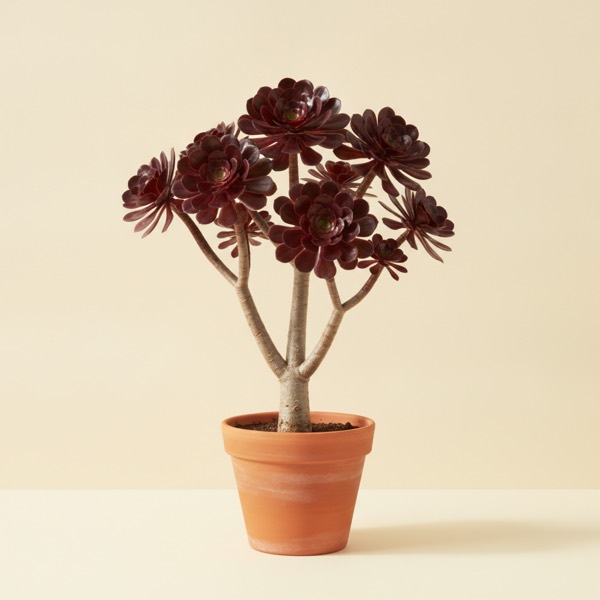
ASPCA does not list this species either way.
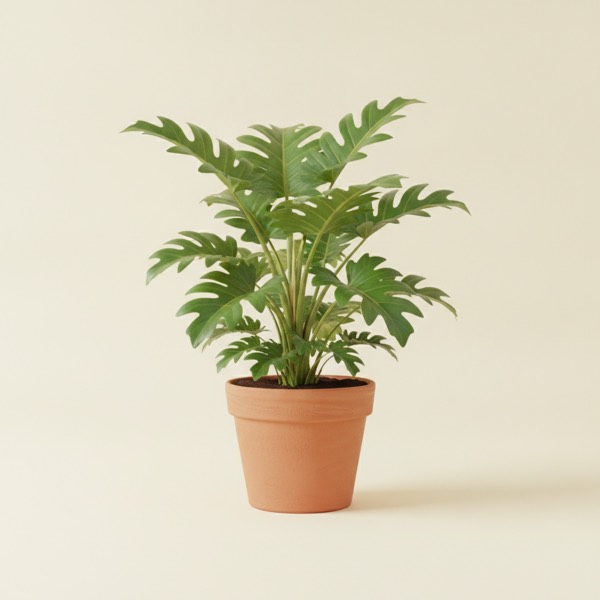
ASPCA lists this exact species as toxic. Covers dogs and cats.
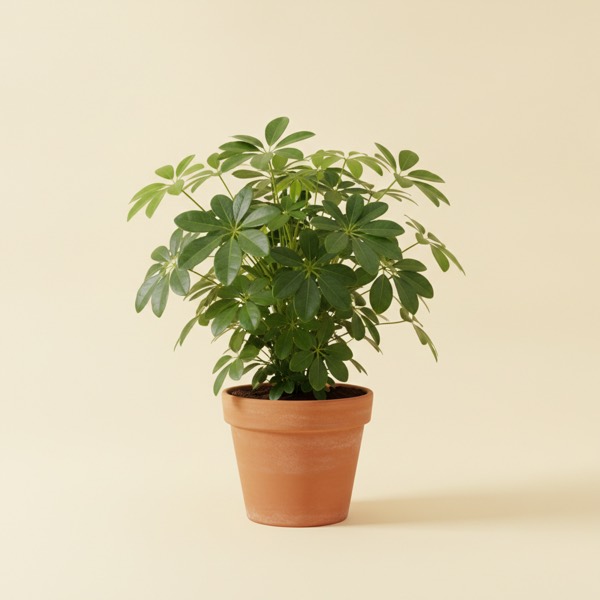
ASPCA lists this exact species as toxic. Covers dogs and cats.
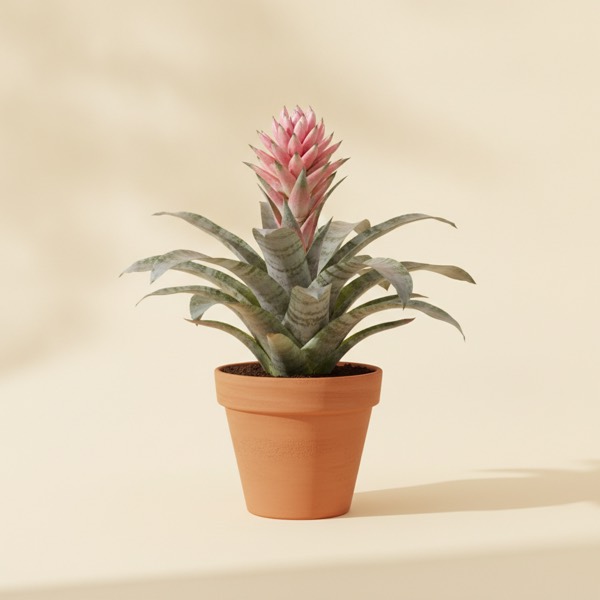
ASPCA does not list this species either way.
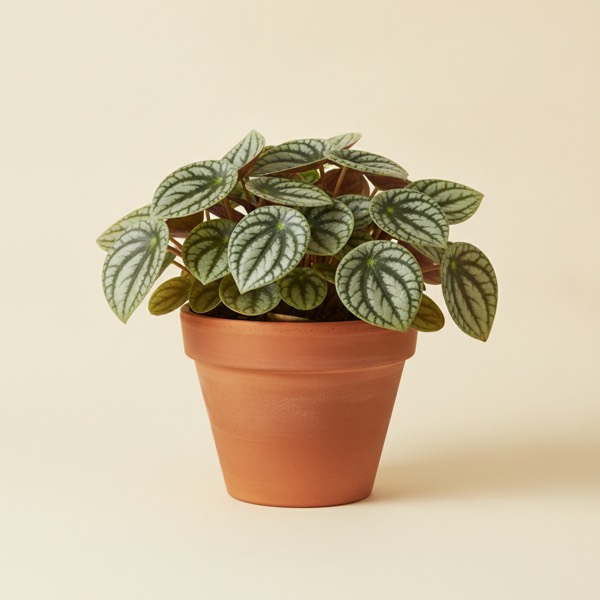
ASPCA lists this exact species as non-toxic. Covers dogs and cats.
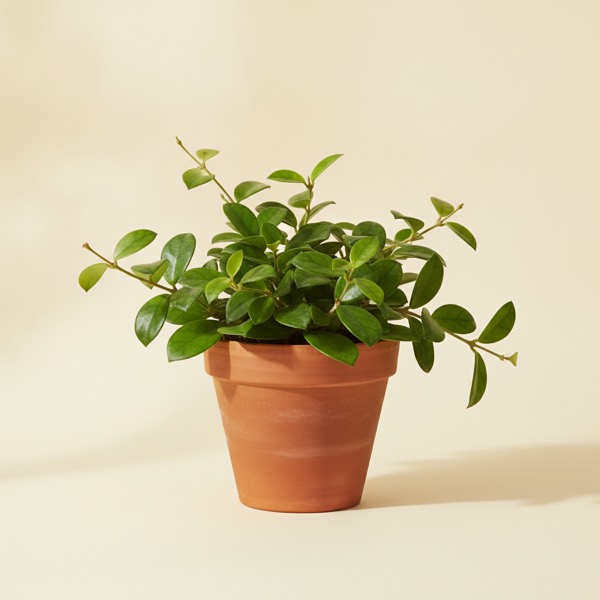
ASPCA lists this exact species as non-toxic. Covers dogs and cats.
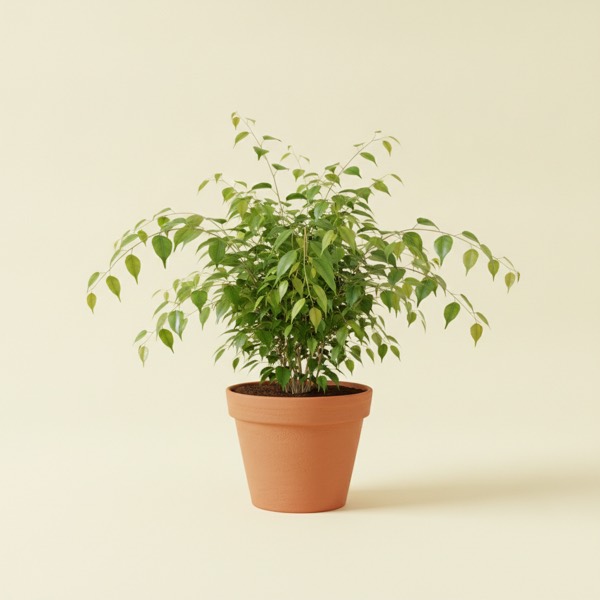
ASPCA lists this exact species as toxic. Covers dogs and cats.
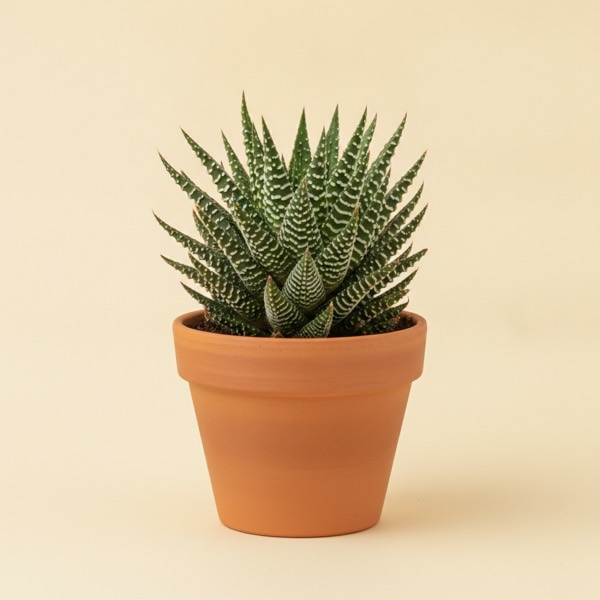
ASPCA does not list this species either way.
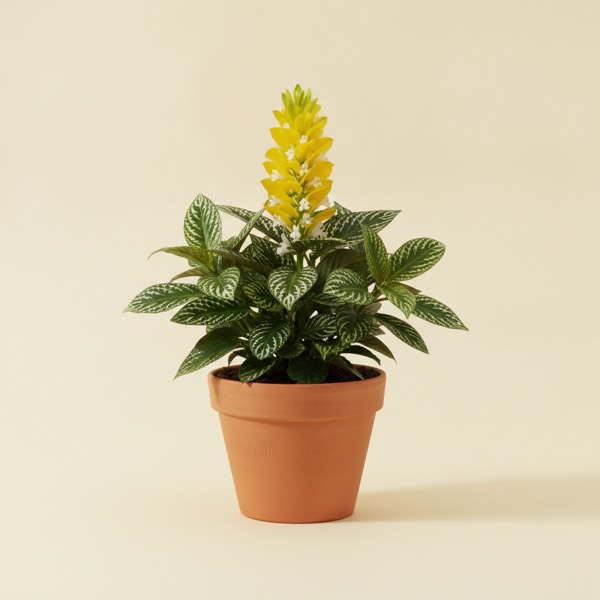
ASPCA lists this exact species as non-toxic. Covers dogs and cats.
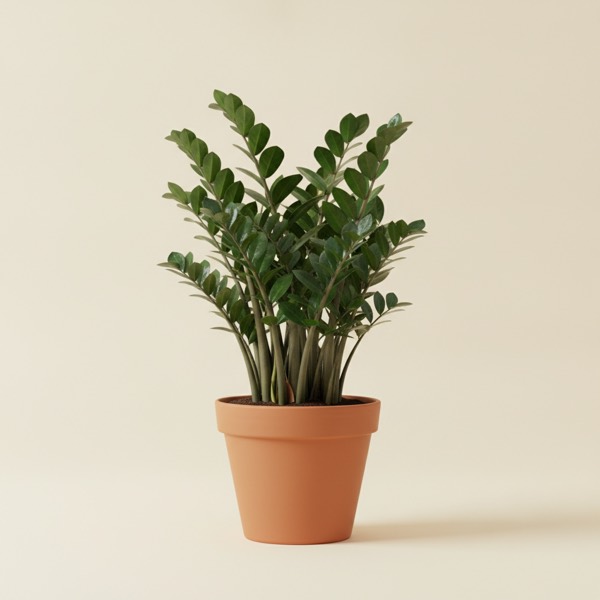
ASPCA does not list this species either way.
Solspot measures how much light a spot in your home gets, then shows the species that suit it, with the same ASPCA verdicts and the same honesty about what the lists do not cover. Free, offline, no account.